


Skincare


Makeup


Haircare


-
AccuFix - Encapsulated Retinol + B5 serum
Regular price Rs.3,146.00Regular priceUnit price perRs.3,495.00Sale price Rs.3,146.00 Sale
-
Medicube - Glutathione Glow Serum 30g
Regular price Rs.5,239.00Regular priceUnit price perRs.6,979.00Sale price Rs.5,239.00Sale -
Dr Rashel - Vitamin C Face Serum 50 Ml
Regular price Rs.922.00Regular priceUnit price perRs.1,229.00Sale price Rs.922.00Sale -
Dr.Althea Vitamin C Boosting Serum 30ml
Regular price Rs.4,550.00Regular priceUnit price perRs.6,979.00Sale price Rs.4,550.00Sale -
Vince - Vitamin C Serum - 30Ml
Regular price Rs.1,341.00Regular priceUnit price perRs.1,490.00Sale price Rs.1,341.00Sale -
Jenpharm - Dermive Hyaluronic Acid Serum - 20Ml
Regular price Rs.1,998.00Regular priceUnit price perRs.1,998.00Sale price Rs.1,998.00 -
Bioaqua Salicylic Acid Acne Removal Cream 20G
Regular price Rs.554.00Regular priceUnit price perRs.739.00Sale price Rs.554.00Sale -
Vaseline - Gluta-Hya Serum Brust Lotion - 200Ml
Regular price Rs.2,699.00Regular priceUnit price perRs.2,999.00Sale price Rs.2,699.00Sale -
Skin Pantry - Underarm Brightening Serum
Regular price From Rs.1,450.00Regular priceUnit price perRs.1,450.00Sale price From Rs.1,450.00 -
Beautenic - Azelaic Acid 10% + Alpha Arbutin 2% + Licorice 10% Serum
Regular price Rs.1,889.00Regular priceUnit price perRs.2,099.00Sale price Rs.1,889.00Sale -
Klean Beauty Peptide Complex Serum 30Ml
Regular price Rs.2,339.00Regular priceUnit price perRs.2,599.00Sale price Rs.2,339.00Sale -
Medicube - TXA Niacinamide 15% Serum 30ml
Regular price Rs.6,000.00Regular priceUnit price perRs.7,029.00Sale price Rs.6,000.00Sale -
Hair Pantry - Frizz Tamer with Argan Oil 35Ml
Regular price Rs.1,900.00Regular priceUnit price perRs.2,000.00Sale price Rs.1,900.00Sale -
Jenpharm Niaronic Acne Control Serum Vitamin B3 30Ml
Regular price Rs.1,998.00Regular priceUnit price perRs.1,998.00Sale price Rs.1,998.00 -
Beautenic - Niacinamide 5% Serum
Regular price Rs.1,889.00Regular priceUnit price perRs.2,099.00Sale price Rs.1,889.00Sale -
Medicube - Collagen Glow Booster Serum - 15ml
Regular price Rs.4,929.00Regular priceUnit price perRs.7,249.00Sale price Rs.4,929.00Sale -
Vaseline - Gluta Vitamin Soft + Glow SPF 20 Serum 180Ml
Regular price Rs.2,024.00Regular priceUnit price perRs.2,249.00Sale price Rs.2,024.00Sale -
Cerave Resurfacing Retinol Serum 1Oz/30Ml
Regular price Rs.7,863.00Regular priceUnit price perRs.9,250.00Sale price Rs.7,863.00Sale -
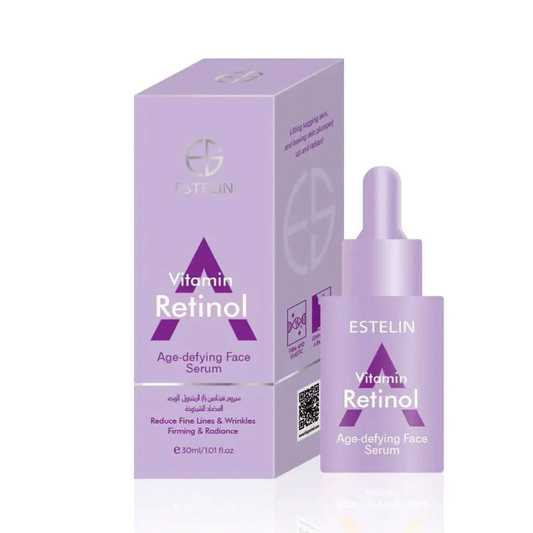
Estelin Face Serum Vitamin A Retinol Age defying 30Ml
Regular price Rs.967.00Regular priceUnit price perRs.1,289.00Sale price Rs.967.00Sale -
Anua - Green Lemon Vitamin C Blemish Serum Mask 25ml
Regular price Rs.1,799.00Regular priceUnit price perRs.1,999.00Sale price Rs.1,799.00Sale -
Anua - Retinol 0.3 + Niacin Renewing Serum - 30ml
Regular price Rs.7,064.00Regular priceUnit price perRs.7,849.00Sale price Rs.7,064.00Sale -
Glamorous Face - Oil Free Cover Stick
Regular price Rs.359.00Regular priceUnit price perRs.399.00Sale price Rs.359.00Sale -
VLCC - Vitamin C Serum 30 ml
Regular price Rs.1,952.00Regular priceUnit price perRs.2,169.00Sale price Rs.1,952.00Sale -
Derma Shine Vitamin C Serum 30 Ml
Regular price Rs.1,130.00Regular priceUnit price perRs.1,130.00Sale price Rs.1,130.00 -
Klean Beauty Hyaluronic Acid Serum 20Ml
Regular price Rs.1,665.00Regular priceUnit price perRs.1,850.00Sale price Rs.1,665.00Sale -
Medicube - Triple Collagen Serum 55ml
Regular price Rs.5,449.00Regular priceUnit price perRs.7,689.00Sale price Rs.5,449.00Sale -
Conatural - Niacinamide + Zinc Skin Serum
Regular price Rs.1,551.00Regular priceUnit price perRs.1,723.85Sale price Rs.1,551.00Sale -
Estelin - Bouncy & Firm Collagen Face Serum 50ml
Regular price Rs.1,282.00Regular priceUnit price perRs.1,709.00Sale price Rs.1,282.00Sale -
Jenpharm Cerulic Glow Boosting Serum 30Ml
Regular price Rs.1,998.00Regular priceUnit price perRs.1,998.00Sale price Rs.1,998.00 -
Skin1004 - Madagascar Centella Asiatica Ampoule Facial Serum - 55ml
Regular price Rs.4,709.00Regular priceUnit price perRs.7,089.00Sale price Rs.4,709.00Sale -
Dr Rashel - Hyaluronic Acid Super Serum 50ml
Regular price Rs.1,409.00Regular priceUnit price perRs.1,879.00Sale price Rs.1,409.00Sale -
Garnier - Micellar Oil All In 1 Cleansing Water - 125Ml
Regular price Rs.899.10Regular priceUnit price perRs.999.00Sale price Rs.899.10Sale




Best Face Serum
The phrase best face serum implies a single winner, and the category does not work that way. A serum is a delivery format, not a product type: a thin, fast-absorbing base carrying a high concentration of one or two active ingredients. Which serum is best depends entirely on which active you need, and that depends on what your skin is doing. The useful question is never which serum is best overall, but which active solves the thing you actually want solved.
Six actives, six jobs
Vitamin C brightens and protects against ultraviolet damage. Niacinamide evens tone, controls oil and repairs the barrier, all at once and gently. Retinol resurfaces, unclogs and builds collagen over months. Hyaluronic acid and glycerin hydrate immediately. Salicylic acid clears pores from the inside. Azelaic acid handles acne and the pigmentation acne leaves behind in a single step. Learn these six and you can read almost any serum label and predict what it will do, regardless of what the brand calls it.
Concentration is not the whole story
A higher percentage is not automatically better and frequently worse. Vitamin C above twenty percent raises irritation without adding benefit. Retinol at one percent does not work faster than at half a percent, it simply leaves less room for error. Niacinamide above ten percent starts causing flushing in some people. The formula around the active matters as much as the number: pH, packaging, supporting ingredients and whether the active is encapsulated all decide how much of it reaches skin intact.
Texture, layering and what goes where
Serums go on after cleansing and any toner, before moisturiser, on skin that is slightly damp for humectants and fully dry for retinol. Use two at most. If you want three actives, split them across morning and evening rather than stacking them. A serum left to sit without a moisturiser over the top will often dehydrate skin rather than hydrate it, because humectants draw water from wherever they can find it, including from deeper in your own skin when the air is dry.
Giving it enough time
Hydration shows in days. Oil control and redness in three to four weeks. Texture in about eight. Pigmentation in twelve to sixteen. Lines in six months. Judging a serum before its window has passed is the most common reason people conclude the category does not work for them, and the second most common is applying it inconsistently. Four applications a week for three months beats daily use for three weeks, every time.
What to do when a serum stops working
Skin does not build tolerance to actives the way the internet suggests, so a serum that stops producing visible change has usually just finished its job. Pigment that has faded will not keep fading. Texture that has smoothed holds where it is. At that point the product becomes maintenance rather than correction, and the useful move is to keep it going at a reduced frequency and add a second active for a different concern. What is genuinely happening in most cases where someone reports a serum stopping is that they stopped wearing sunscreen, and the sun quietly restored the pigment they had removed over the following summer. Before replacing a product that was working, check whether the routine around it changed first, because that is the cheaper answer and in most cases the correct one as well.
Narrowing it down
Pick the concern, pick the matching active, check the percentage and packaging, commit. The catalogue is at Buy Face Serums In Pakistan. For the local shortlist see best face serum in pakistan. For texture and long-term firmness see best wrinkle serum, and for the gentlest possible starting point see best natural face serum.


