


Skincare


Makeup


Haircare


-
Estelin - Ultra Light Hydrating Invisible Sunscreen Spf 50 Pa+++ 50G
Regular price Rs.1,239.00Regular priceUnit price perRs.1,239.00Sale price Rs.1,239.00 -
Estelin - All In One Multi Defense Tinted Sunscreen Spf 70 Pa+++ 50G
Regular price Rs.1,239.00Regular priceUnit price perRs.1,239.00Sale price Rs.1,239.00 -
Estelin - Ultra Light Hydrating Invisible Sunscreen SPF 80+ 100g
Regular price Rs.1,529.00Regular priceUnit price perRs.1,529.00Sale price Rs.1,529.00 -
Estelin - All In One Multi Defense Tinted Sunscreen Spf 100 Pa+++ 100G
Regular price Rs.1,529.00Regular priceUnit price perRs.1,529.00Sale price Rs.1,529.00 -
Bioaqua V7 Deep Hydration Spray 200Ml
Regular price Rs.1,289.00Regular priceUnit price perRs.1,289.00Sale price Rs.1,289.00 -
Jenpharm Spectra Block Max Tinted Super Sunblock Cream 40G
Regular price Rs.998.00Regular priceUnit price perRs.998.00Sale price Rs.998.00 -
Jenpharm Spectra Block Broad Spectrum Sun Block Cream 40G
Regular price Rs.998.00Regular priceUnit price perRs.998.00Sale price Rs.998.00 -
Estelin - Ultra Light Hydrating Invisible Sunscreen Spray Spf 50 Pa+++ 180G
Regular price Rs.2,239.00Regular priceUnit price perRs.2,239.00Sale price Rs.2,239.00 -
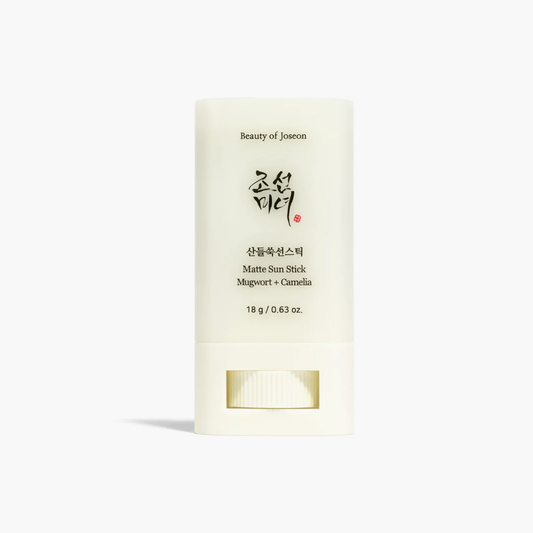
Beauty of Joseon Matte Sun Stick : Mugwort + Camelia (SPF50+ PA++++)
Regular price Rs.3,349.00Regular priceUnit price perRs.6,319.00Sale price Rs.3,349.00Sale -
Jenpharm Spectra Block Kids SPF50 PA++ 40g
Regular price Rs.998.00Regular priceUnit price perRs.998.00Sale price Rs.998.00 -
Organic Traveller - Barrier Hydrate Sunscreen
Regular price Rs.1,999.00Regular priceUnit price perRs.1,999.00Sale price Rs.1,999.00 -
Saeed Ghani - Sunblock SPF 60 with Vitamin C
Regular price Rs.459.00Regular priceUnit price perRs.540.00Sale price Rs.459.00Sale -
Klean Beauty - Melt In Hydrating Sunscreen SPF60 - 50Ml
Regular price Rs.1,699.15Regular priceUnit price perRs.1,999.00Sale price Rs.1,699.15Sale -
Nirvana Botanics - SunSlay Sunscreen Fluid SPF 50+++
Regular price Rs.1,598.00Regular priceUnit price perRs.1,775.00Sale price Rs.1,598.00Sale -
Rederm - Solero sunblock SPF 100
Regular price Rs.1,050.00Regular priceUnit price perRs.1,050.00Sale price Rs.1,050.00 -
Cosrx - Aloe Soothing Sun Cream Spf 50+ Pa+++ 50Ml
Regular price Rs.3,789.00Regular priceUnit price perRs.4,889.00Sale price Rs.3,789.00Sale -
Vince - Sun Block SPF 40 - 75Ml
Regular price Rs.840.00Regular priceUnit price perRs.840.00Sale price Rs.840.00 -
Estelin Ultra-Light & Anti-Wrinkle Sunscreen SPF90 PA+++
Regular price Rs.1,709.00Regular priceUnit price perRs.1,709.00Sale price Rs.1,709.00Sold out -
Garnier Bright Complete Vitamin C Super UV Matte Sunscreen SPF50+ - 30ML
Regular price Rs.1,783.00Regular priceUnit price perRs.2,229.00Sale price Rs.1,783.00Sale -
Neutrogena Ultra Sheer Dry-Touch Sunscreen Spf55 88Ml
Regular price Rs.5,000.00Regular priceUnit price perRs.7,000.00Sale price Rs.5,000.00Sold out -
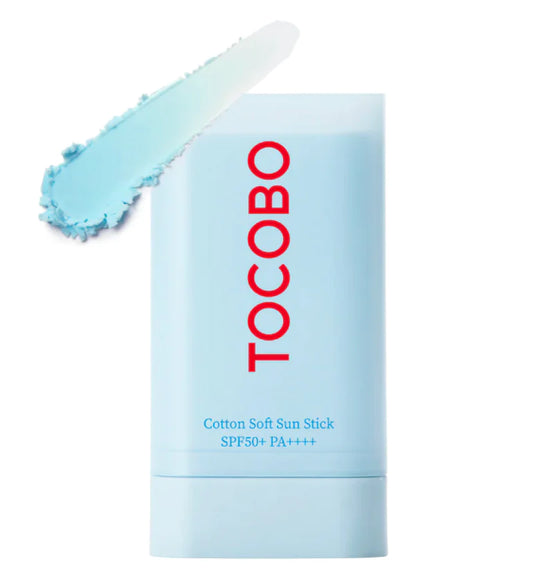
Tocobo Cotton Soft Sun Stick SPF50+ 19g
Regular price Rs.4,509.00Regular priceUnit price perRs.6,039.00Sale price Rs.4,509.00Sale -
Physiogel Red Smoothing Ai Sensitive Uv Sunscreen Spf 50 40Ml
Regular price Rs.3,183.00Regular priceUnit price perRs.3,350.00Sale price Rs.3,183.00Sold out -
Bioaqua Whitening Sunscreen Spf 50 40G
Regular price Rs.739.00Regular priceUnit price perRs.739.00Sale price Rs.739.00Sold out -
Nirvana Botanics - Light Mineral Sunscreen SPF 30+++
Regular price Rs.1,215.00Regular priceUnit price perRs.1,350.00Sale price Rs.1,215.00Sale -
Pond's - UV Miracle Bright Sunscreen SPF50++++ 50G
Regular price Rs.750.00Regular priceUnit price perRs.1,000.00Sale price Rs.750.00Sale -
Rivaj - Whitening & Vanishing SPF60 Sunblock - 100Ml
Regular price Rs.551.00Regular priceUnit price perRs.580.00Sale price Rs.551.00Sale -
Estelin Ultra-light & Moisturizing Sunscreen SPF 60 PA+++ 75G
Regular price Rs.1,409.00Regular priceUnit price perRs.1,409.00Sale price Rs.1,409.00 -
Jenpharm - Spectra Block Aqua Fluid Sunscreen SPF60 PA++ 50Ml
Regular price Rs.1,498.00Regular priceUnit price perRs.1,498.00Sale price Rs.1,498.00 -
Pond's - UV Miracle Hydrate Sunscreen SPF50++++ 50G
Regular price Rs.750.00Regular priceUnit price perRs.1,000.00Sale price Rs.750.00Sale -
Rivaj - SPF90 Sunblock
Regular price From Rs.295.00Regular priceUnit price perRs.310.00Sale price From Rs.295.00Sale -
Organic Traveller - Glow SPF: Tinted Sunscreen
Regular price Rs.1,849.00Regular priceUnit price perRs.1,849.00Sale price Rs.1,849.00 -
Glow & Lovely - Sunscreen - 25g
Regular price Rs.238.00Regular priceUnit price perRs.250.00Sale price Rs.238.00Sale






Best Sunscreen for Acne Skin
Sunscreen is the most underrated part of an acne routine, and the part most often dropped. People commit to the treatment, see the dryness and irritation, and quietly stop wearing SPF because it feels like one more thing on an already unhappy face. That decision is what turns a few months of treatment into a year of fading marks.
What sun does to acne-treated skin
It makes actives more aggressive. Retinoids, benzoyl peroxide, azelaic acid and salicylic acid all raise photosensitivity. Sun exposure during treatment produces irritation that looks exactly like the acne getting worse, which is why people abandon treatments that were working.
It darkens post-inflammatory marks. The brown patches left after a spot heals are the part that actually bothers most people, and UV is what makes them persist. Daily sunscreen does more for them than any brightening serum.
It causes a delayed rebound. Sun dries spots in the short term and thickens the outer layer of skin, which blocks pores. The breakout arrives three or four weeks later and nobody connects the two.
What to look for
Non-comedogenic, and ideally tested as such. The base matters more than the filter.
A light texture. Gel, fluid or milky emulsion. Thick creams are where congestion starts.
Fragrance-free. Reduces the chance of adding irritation to skin that is already irritated.
Barrier support. Panthenol, centella, allantoin and niacinamide all help.
Mineral filters, if your skin is very reactive. Zinc is gentle and also mildly anti-inflammatory, which is why dermatologists reach for it after procedures.
Working it into treatment
Sunscreen goes on in the morning, over moisturiser, as the last step. Treatment goes on at night.
If your skin is peeling, buffer: a thin layer of plain moisturiser before sunscreen, applied by pressing rather than rubbing. Rubbing lifts flakes and creates pilling.
Never skip a day because your skin is sore. Compromised skin burns faster, and a burn sets treatment back further than a week of dryness.
When to reconsider the formula
If breakouts appear along the jaw or temples within two weeks of starting a new sunscreen, that is a formula problem rather than a coincidence. Check for heavy emollients and fragrance first.
If small itchy bumps appear across the forehead in summer, that may be fungal rather than bacterial, and the ingredient list needs a different kind of scrutiny.
If stinging happens on application but settles within a minute with no redness, that is usually dehydration rather than a reaction.
Marks that are already there
Sunscreen prevents. It does not erase. Existing marks need eight to twelve weeks of consistent protection before they visibly shift, and treatments work considerably faster once UV is out of the picture.
If tone is the main concern, a best whitening sunblock in Pakistan formula adds a brightening active to the same base.
The habit that decides the outcome
Consistency beats product choice by a wide margin in this category. Daily protection with an adequate sunscreen produces better results than occasional use of an excellent one, because the mechanism is cumulative. Every unprotected day re-triggers pigment production in marks that are actively trying to fade. Pick something tolerable, use it every day including cloudy ones, and be patient with the timeline.
Protection is also the cheapest part of an acne routine. Treatments cost far more and work far less well without it.
The acne hub is the best sunscreen for acne prone skin in Pakistan range. For reactive skin see best sunscreen in Pakistan for sensitive skin, or buy sunscreen in Pakistan across the full catalogue.


