


Skincare


Makeup


Haircare


-
POND'S Super Light Gel - 25G
Regular price Rs.630.00Regular priceUnit price perRs.700.00Sale price Rs.630.00Sale -
L'Oréal Paris - Glycolic Bright Matte Luminizing Cream With Melasyl - 30Ml
Regular price Rs.2,399.00Regular priceUnit price perRs.2,999.00Sale price Rs.2,399.00Sale -
Oneskin - Moisturizer - 50ml
Regular price Rs.1,125.00Regular priceUnit price perRs.1,250.00Sale price Rs.1,125.00Sale -
Silky Cool - Whitening Facial Massage Cream
Regular price Rs.1,889.00Regular priceUnit price perRs.2,700.00Sale price Rs.1,889.00Sale -
Himalaya Brightening Vitamin C Orange Face & Body Moisturizer Gel - 300Ml
Regular price Rs.2,400.00Regular priceUnit price perRs.2,400.00Sale price Rs.2,400.00 -
Himalaya Brightening Vitamin C Orange Face Cream 50G
Regular price Rs.2,400.00Regular priceUnit price perRs.2,400.00Sale price Rs.2,400.00 -
Dr Rashel Whitenning Cream 24K Gold 50G
Regular price Rs.1,999.00Regular priceUnit price perRs.1,999.00Sale price Rs.1,999.00 -
Dr Rashel Whitening Fade Spots Facial Massage Cream 130G
Regular price Rs.1,469.00Regular priceUnit price perRs.1,469.00Sale price Rs.1,469.00 -
Dr Rashel - Turmeric Brightening Face Cream 50g
Regular price Rs.1,759.00Regular priceUnit price perRs.1,759.00Sale price Rs.1,759.00 -
Bloom Effekt - Vitamin C Face Cream
Regular price Rs.999.00Regular priceUnit price perRs.1,450.00Sale price Rs.999.00Sale -
Chirs's Whitening Cream 120g
Regular price Rs.1,199.00Regular priceUnit price perRs.1,199.00Sale price Rs.1,199.00 -
Klean Beauty Hydrating Moisturizer Tube (15Ml)
Regular price Rs.764.15Regular priceUnit price perRs.899.00Sale price Rs.764.15Sale -
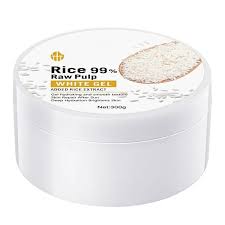
Bio Aqua Rice 99% Raw Pulp White Gel 300G
Regular price Rs.929.00Regular priceUnit price perRs.929.00Sale price Rs.929.00 -
Dr Rashel Vitamin C Ultra Smoothing Neck Cream, 120G
Regular price Rs.2,119.00Regular priceUnit price perRs.2,119.00Sale price Rs.2,119.00 -
Dr Rashel 5D Hyaluronic Acid Revitalizing Neck Cream 120G
Regular price Rs.2,119.00Regular priceUnit price perRs.2,119.00Sale price Rs.2,119.00 -
Dr Rashel Vitamin C Moisturizer Skin Care Cream 160g
Regular price Rs.1,469.00Regular priceUnit price perRs.1,469.00Sale price Rs.1,469.00 -
Vince - Hydrating Multilevel Moisturizing Cream
Regular price Rs.1,250.00Regular priceUnit price perRs.1,250.00Sale price Rs.1,250.00 -
Dr Rashel Black Whitening Cream 100G
Regular price Rs.1,289.00Regular priceUnit price perRs.1,289.00Sale price Rs.1,289.00 -
Klean Beauty Hydrating Moisturizer Tube (100Ml)
Regular price Rs.1,869.15Regular priceUnit price perRs.2,199.00Sale price Rs.1,869.15Sale -
Klean Beauty Hydrating Moisturizer Tube (50Ml)
Regular price Rs.1,444.15Regular priceUnit price perRs.1,699.00Sale price Rs.1,444.15Sale -
Disaar Snail Glowing Moisturizing Face Cream 60Ml
Regular price Rs.949.00Regular priceUnit price perRs.1,059.00Sale price Rs.949.00Sale -
POND's - Super Light Gel - 50ml
Regular price Rs.749.00Regular priceUnit price perRs.999.00Sale price Rs.749.00Sale -
Neophar - Luminate Intense Skin Brightening Cream
Regular price Rs.1,593.00Regular priceUnit price perRs.1,770.00Sale price Rs.1,593.00Sale -
Vince - Vitamin C Cream
Regular price Rs.1,400.00Regular priceUnit price perRs.1,400.00Sale price Rs.1,400.00 -
Saeed Ghani - Anti Aging Vitamin C Face Cream
Regular price Rs.383.00Regular priceUnit price perRs.450.00Sale price Rs.383.00Sale -
Medicube - Triple Collagen Cream - 50ml
Regular price Rs.5,710.00Regular priceUnit price perRs.8,000.00Sale price Rs.5,710.00Sale -
Vince - 3X Glow Cream - 50Ml
Regular price Rs.275.00Regular priceUnit price perRs.275.00Sale price Rs.275.00 -
Vince - Advanced Freckle Cream
Regular price Rs.1,740.00Regular priceUnit price perRs.1,740.00Sale price Rs.1,740.00 -
Secret Key - Snow White Spot Gel - 65g
Regular price Rs.5,349.00Regular priceUnit price perRs.7,029.00Sale price Rs.5,349.00Sale -
Vince - Perfect 30'S Cream
Regular price Rs.1,850.00Regular priceUnit price perRs.1,850.00Sale price Rs.1,850.00 -
Elmore - Soft Whitening Moisturizing Cream - 200GM
Regular price Rs.890.00Regular priceUnit price perRs.890.00Sale price Rs.890.00 -
Vince - Lightnix-Skin Lightening Cream
Regular price Rs.1,580.00Regular priceUnit price perRs.1,580.00Sale price Rs.1,580.00




Brightening Moisturizer
A brightening moisturizer works on tone, not on shade. That distinction is worth being clear about, because the category has a long history of being sold as something it isn’t. What these formulas actually do is fade pigmentation, reduce dark spots left behind by acne or sun exposure, and restore the light-reflecting quality that dull, dehydrated or sun-stressed skin loses. They even out. They don’t lighten.
Why skin looks dull in the first place
Several things are usually happening at once. Dead cells build up on the surface and scatter light instead of reflecting it. Dehydration flattens the surface texture. UV exposure drives melanin production unevenly, leaving patches. And post-inflammatory hyperpigmentation — the brown marks left after a spot clears — lingers for months on deeper skin tones. A brightening moisturizer that only addresses one of these will underdeliver on the others.
The ingredients that actually work
Niacinamide. The most reliable of the group. It interrupts pigment transfer to surface cells, and at 4–5% it has solid evidence behind it. It’s also well tolerated, which matters for daily use.
Vitamin C. Effective on both existing pigmentation and future sun damage, but unstable. Packaging matters here more than with almost any other active.
Alpha arbutin and tranexamic acid. Both target melanin production directly, and both are gentler than hydroquinone with a better long-term safety profile.
Licorice root extract. Milder, useful in formulas designed for sensitive skin.
Kojic acid and azelaic acid. Both appear in brightening formulas and both work, though azelaic acid is the better tolerated of the two and doubles as an acne treatment.
Peptides and antioxidants. Supporting rather than starring, but they reduce the oxidative stress that drives pigmentation in the first place.
Sunscreen is not optional here
This is the part people skip, and it’s the part that decides whether anything works. Pigmentation is a sun-driven process. Using a brightening moisturizer without daily SPF is close to pointless — you’ll fade a spot overnight and re-trigger it by noon. In Pakistan, where UV levels stay high for most of the year and much of the day is spent outdoors or in transit, that daily sunscreen habit is the difference between three months of visible progress and three months of nothing.
How to choose one
Check the concentration, not just the name. Niacinamide listed in trace amounts at the bottom of the list won’t do the job.
Match it to your barrier. Brightening actives can irritate. If your skin already stings on application, rebuild the barrier with a ceramide moisturizer first and introduce the brightening formula afterwards.
Pair it with hydration. Pigmentation looks worse on dehydrated skin. A hyaluronic acid moisturizer underneath plumps the surface so light reflects evenly while the actives do the slower work.
Match the texture to your skin. These formulas come in everything from gels to rich creams. Combination skin usually does best with a gel-cream that won’t overload the T-zone.
What to expect
Brightening is the slowest category in skincare, and most people abandon it a month too early. Give it twelve weeks. Post-inflammatory marks respond fastest, often within six to eight weeks. Sun-driven pigmentation and melasma take longer and can recur. Anything promising results in seven days is either exfoliating aggressively or relying on optical blur from the formula itself. Consistency beats concentration — a moderate formula used every day outperforms a strong one used twice a week.
Why shop brightening moisturizers at Highfy
Highfy stocks niacinamide, vitamin C and arbutin-based formulas from Korean, Japanese and international brands, all sourced authentic, with full concentrations and ingredient lists shown on each product page. Browse the complete moisturizer collection to see how brightening formulas compare with other options.


