


Skincare


Makeup


Haircare


-
AccuFix - Carbamide Intensive Hydration Cream
Regular price Rs.2,066.00Regular priceUnit price perRs.2,295.00Sale price Rs.2,066.00Sale -
AccuFix - AccuPair Skin Barrier Repair Cream
Regular price From Rs.2,246.00Regular priceUnit price perRs.2,495.00Sale price From Rs.2,246.00Sale -
Estelin - 5X Ceramide Barrier Repairing Moisturizer 50g
Regular price Rs.1,879.00Regular priceUnit price perRs.1,879.00Sale price Rs.1,879.00 -
Klean Beauty Hydrating Moisturizer Tube (15Ml)
Regular price Rs.764.15Regular priceUnit price perRs.899.00Sale price Rs.764.15Sale -
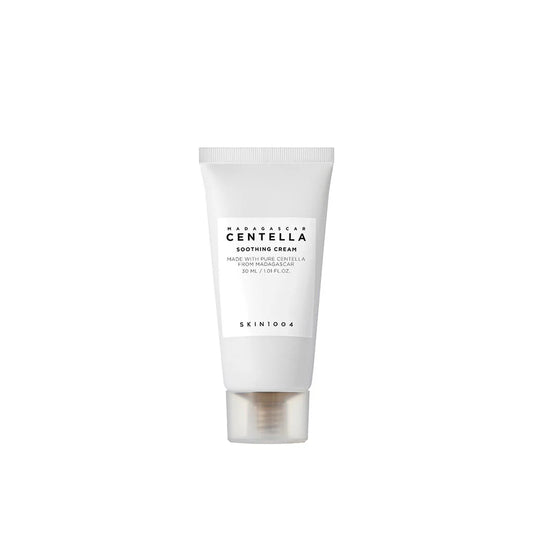
Skin1004 Madagascar Centella Cream - 30ml
Regular price Rs.1,699.00Regular priceUnit price perRs.3,619.00Sale price Rs.1,699.00Sale -
Dr Rashel 5D Hyaluronic Acid Revitalizing Neck Cream 120G
Regular price Rs.2,119.00Regular priceUnit price perRs.2,119.00Sale price Rs.2,119.00 -
Klean Beauty - Ceramide Supercream 50Ml
Regular price Rs.1,444.15Regular priceUnit price perRs.1,699.00Sale price Rs.1,444.15Sale -
Klean Beauty Hydrating Moisturizer Tube (100Ml)
Regular price Rs.1,869.15Regular priceUnit price perRs.2,199.00Sale price Rs.1,869.15Sale -
Klean Beauty Hydrating Moisturizer Tube (50Ml)
Regular price Rs.1,444.15Regular priceUnit price perRs.1,699.00Sale price Rs.1,444.15Sale -
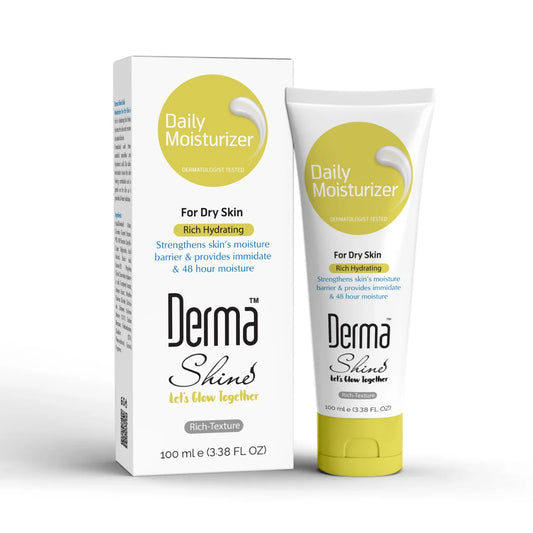
Derma Shine Daily Moisturizer Rich Hydrating 100 Ml
Regular price Rs.824.00Regular priceUnit price perRs.915.00Sale price Rs.824.00Sale -
Skinjoy - Core Barrier Moisturiser 50Ml
Regular price Rs.1,710.00Regular priceUnit price perRs.1,900.00Sale price Rs.1,710.00Sale -
Medicube - PDRN Pink Collagen Capsule Cream - 55g
Regular price Rs.5,869.00Regular priceUnit price perRs.9,179.00Sale price Rs.5,869.00Sale -
Dr. Althea - 147 Barrier Cream - 50ml
Regular price Rs.5,699.00Regular priceUnit price perRs.8,079.00Sale price Rs.5,699.00Sale -
Anua - Heartleaf Centella Red Spot Cream 30g
Regular price Rs.5,399.00Regular priceUnit price perRs.5,999.00Sale price Rs.5,399.00Sale -
Skin1004 Madagascar Centella Soothing Cream - 30Ml
Regular price Rs.1,549.00Regular priceUnit price perRs.3,349.00Sale price Rs.1,549.00Sale -
Neutrogena Hydro Boost Gel-Cream Moisturiser 50Ml (Expiry 03/2027)
Regular price Rs.2,099.00Regular priceUnit price perRs.3,500.00Sale price Rs.2,099.00Sale -
Jenpharm DermiVe Oily Moisturizer Lotion 100Ml
Regular price Rs.988.00Regular priceUnit price perRs.1,098.00Sale price Rs.988.00Sale -
Jenpharm Dermive Moisturizer Sensitive For Normal To Dry 100ml
Regular price Rs.988.00Regular priceUnit price perRs.1,098.00Sale price Rs.988.00Sold out -
Jenpharm Dermive Oil Free Moisturizer Lotion 100Ml
Regular price Rs.988.00Regular priceUnit price perRs.1,098.00Sale price Rs.988.00Sold out -
Rederm - Hydra FX Moisturizing Cream
Regular price Rs.760.00Regular priceUnit price perRs.950.00Sale price Rs.760.00Sold out -
Jenpharm - Dermive Oil Free Fragrance Free Moisturizer Lotion - 100Ml
Regular price Rs.988.00Regular priceUnit price perRs.1,098.00Sale price Rs.988.00Sold out -
Purito - Seoul Wonder Releaf Centella Cream - 50ml
Regular price Rs.4,399.00Regular priceUnit price perRs.6,369.00Sale price Rs.4,399.00Sold out -
La Roche Posay - Lipikar AP+M Triple Repair Moisturizing Cream - 200ml
Regular price Rs.7,999.00Regular priceUnit price perRs.9,499.00Sale price Rs.7,999.00Sold out -
La Roche Posay - Toleriane Double Repair Face Moisturizer - 40ml
Regular price Rs.6,749.00Regular priceUnit price perRs.7,999.00Sale price Rs.6,749.00Sold out -
La Roche-Posay - Lipikar AP+M Triple Repair Moisturizing Cream - 75ml
Regular price Rs.5,199.00Regular priceUnit price perRs.6,999.00Sale price Rs.5,199.00Sold out -
Skin1004 - Madagascar Centella Cream 75Ml
Regular price Rs.4,189.00Regular priceUnit price perRs.6,259.00Sale price Rs.4,189.00Sold out -
Skin1004 - Madagascar Centella Soothing Cream 75Ml
Regular price Rs.4,189.00Regular priceUnit price perRs.6,259.00Sale price Rs.4,189.00Sold out -
Cosrx - The Ceramide Skin Barrier Moisturizer 80Ml
Regular price Rs.5,449.00Regular priceUnit price perRs.7,359.00Sale price Rs.5,449.00Sold out -
Purito Seoul Wonder Releaf Centella Cream Unscented 15ml
Regular price Rs.1,349.00Regular priceUnit price perRs.1,859.00Sale price Rs.1,349.00Sold out -
Anua - Heartleaf 70% Intense Calming Cream - 50ml
Regular price Rs.7,874.00Regular priceUnit price perRs.8,749.00Sale price Rs.7,874.00Sold out






Ceramide Moisturizer
Ceramides aren’t a trend ingredient. They’re a structural one. Roughly half the lipid content of your skin barrier is ceramides, and when that proportion drops — through age, over-cleansing, harsh weather, too many acids — water starts escaping faster than the skin can replace it. A ceramide moisturizer doesn’t coat the skin. It puts back the material the barrier is built from.
What ceramides actually do
Think of the outer layer of skin as brickwork: cells are the bricks, lipids are the mortar. Ceramides, cholesterol and free fatty acids make up that mortar in a rough 3:1:1 ratio. When it thins, the wall leaks. That’s what tightness, redness, sudden sensitivity and stinging on application all point to.
A well-formulated ceramide cream reverses that in two ways.
It replaces the missing lipids. Ceramides NP, AP and EOP are the ones you’ll see on labels, and formulas that pair them with cholesterol and fatty acids repair faster than ceramides alone.
It reduces water loss. Rebuild the mortar and transepidermal water loss drops, which is why skin stops feeling tight within days rather than weeks.
Who should be using one
Anyone with a compromised barrier. Stinging, flushing, or products that used to be fine suddenly burning — those are barrier symptoms, not sensitivity you were born with.
Anyone using actives. Retinoids, AHAs, BHAs and vitamin C all place a load on the barrier. A ceramide moisturizer is what makes long-term active use sustainable.
Dry and very dry skin. Skin that flakes and feels tight through the day needs barrier support more than surface hydration, and ceramides are the most direct way to give it.
Eczema-prone and reactive skin. Ceramide-dominant formulas are the standard dermatological recommendation for a reason.
Oily skin too. Barrier damage isn’t a dry-skin phenomenon. Oily skin that’s been over-cleansed shows exactly the same signs.
How to choose a ceramide moisturizer
Check for the full lipid trio. Ceramides listed alongside cholesterol and fatty acids outperform ceramides on their own.
Look at where it sits in the list. Ceramides in the last three ingredients, behind the fragrance, are close to decorative.
Skip added fragrance if your skin is already reacting. Barrier repair and perfume are working against each other.
Match the texture to your skin. Ceramides appear in everything from thick balms to thin lotions. A lightweight moisturizer carries the same actives in a texture that won’t feel heavy if rich creams don’t suit you.
Pair it with a humectant. Ceramides seal; they don’t attract water. A hydrating moisturizer or serum underneath gives the ceramides something to hold in.
Don’t overthink the percentage. Unlike acids or vitamin C, ceramides aren’t dose-dependent in any straightforward way. The ratio and the formulation matter far more than a number on the front of the box, and most brands don’t publish one anyway.
What to expect, and how long it takes
Barrier repair is measured in weeks, not days. Most people notice tightness easing within three to five days, but visible improvement in redness and flaking takes three to four weeks of twice-daily use. During that period, pull back on exfoliating acids and retinoids — you cannot repair a barrier and strip it at the same time. In Pakistan, the point at which most people notice the damage is the transition into winter, when indoor heating and dry air expose a barrier that was coping fine through humid months.
Why buy ceramide moisturizers from Highfy
Every ceramide formula here is sourced authentic, with Korean, Japanese and international barrier brands listed side by side and full ingredient lists on each product page so you can check the lipid ratio before buying. If you want to see how ceramide creams compare against other formats, browse the full moisturizer collection.


