


Skincare


Makeup


Haircare


-
Dr.Althea - PDRN Reju 5000 Cream - 20g
Regular price Rs.5,210.00Regular priceUnit price perRs.7,300.00Sale price Rs.5,210.00Sale -
Neutrogena Collagen Bank Moisturizer SPF30 50Ml
Regular price Rs.5,225.00Regular priceUnit price perRs.5,500.00Sale price Rs.5,225.00Sale -
L'Oréal Paris - Glycolic Bright Matte Luminizing Cream With Melasyl - 30Ml
Regular price Rs.2,399.00Regular priceUnit price perRs.2,999.00Sale price Rs.2,399.00Sale -
Jumiso - Snail Mucin 88 + Peptide Facial Cream - 100ml
Regular price Rs.5,449.00Regular priceUnit price perRs.7,359.00Sale price Rs.5,449.00Sale -
Nirvana Botanics - Whipped Moisturizer Cream
Regular price Rs.1,755.00Regular priceUnit price perRs.1,950.00Sale price Rs.1,755.00Sale -
POND'S Super Light Gel - 25G
Regular price Rs.630.00Regular priceUnit price perRs.700.00Sale price Rs.630.00Sale -
Simple Calming Moisturiser Skin Cream 50Ml
Regular price Rs.1,399.00Regular priceUnit price perRs.1,699.00Sale price Rs.1,399.00Sale -
Elmore - Chamomile Glycerine Cream
Regular price From Rs.570.00Regular priceUnit price perRs.570.00Sale price From Rs.570.00 -
AccuFix - Crème B3-B5-E with 4% niacinamide
Regular price From Rs.1,256.00Regular priceUnit price perRs.1,395.00Sale price From Rs.1,256.00Sale -
AccuFix - AccuPair Skin Barrier Repair Cream
Regular price From Rs.2,246.00Regular priceUnit price perRs.2,495.00Sale price From Rs.2,246.00Sale -
Himalaya Brightening Vitamin C Orange Face & Body Moisturizer Gel - 300Ml
Regular price Rs.2,400.00Regular priceUnit price perRs.2,400.00Sale price Rs.2,400.00 -
Dr.Rashel - Youth Revitalizing Hyaluronic Acid Gel Cream 50g
Regular price Rs.1,649.00Regular priceUnit price perRs.1,649.00Sale price Rs.1,649.00 -
Himalaya Brightening Vitamin C Orange Face Cream 50G
Regular price Rs.2,400.00Regular priceUnit price perRs.2,400.00Sale price Rs.2,400.00 -
Estelin - 5X Ceramide Barrier Repairing Moisturizer 50g
Regular price Rs.1,879.00Regular priceUnit price perRs.1,879.00Sale price Rs.1,879.00 -
Dr Rashel - Turmeric Brightening Face Cream 50g
Regular price Rs.1,759.00Regular priceUnit price perRs.1,759.00Sale price Rs.1,759.00 -
Oneskin - Moisturizer - 50ml
Regular price Rs.1,125.00Regular priceUnit price perRs.1,250.00Sale price Rs.1,125.00Sale -
Vince - Collagen Cream
Regular price Rs.1,760.00Regular priceUnit price perRs.1,760.00Sale price Rs.1,760.00 -
Klean Beauty Hydrating Moisturizer Tube (15Ml)
Regular price Rs.764.15Regular priceUnit price perRs.899.00Sale price Rs.764.15Sale -
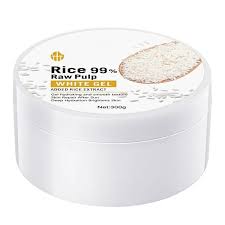
Bio Aqua Rice 99% Raw Pulp White Gel 300G
Regular price Rs.929.00Regular priceUnit price perRs.929.00Sale price Rs.929.00 -
Skin1004 Madagascar Centella Cream - 30ml
Regular price Rs.1,699.00Regular priceUnit price perRs.3,619.00Sale price Rs.1,699.00Sale -
Dr Rashel Vitamin C Moisturizer Skin Care Cream 160g
Regular price Rs.1,469.00Regular priceUnit price perRs.1,469.00Sale price Rs.1,469.00 -
Klean Beauty Hydrating Moisturizer Tube (100Ml)
Regular price Rs.1,869.15Regular priceUnit price perRs.2,199.00Sale price Rs.1,869.15Sale -
Klean Beauty Hydrating Moisturizer Tube (50Ml)
Regular price Rs.1,444.15Regular priceUnit price perRs.1,699.00Sale price Rs.1,444.15Sale -
Dr.Rashel Moisture After Sun Soothing & Cooling Gel 60G
Regular price Rs.1,239.00Regular priceUnit price perRs.1,239.00Sale price Rs.1,239.00 -
Dr.Rashel Aloe Vera Skin Natural Moisture Cream 50G
Regular price Rs.1,159.00Regular priceUnit price perRs.1,369.00Sale price Rs.1,159.00Sale -
POND's - Super Light Gel - 50ml
Regular price Rs.749.00Regular priceUnit price perRs.999.00Sale price Rs.749.00Sale -
HerBeauty - Dew Drops
Regular price Rs.2,400.00Regular priceUnit price perRs.3,000.00Sale price Rs.2,400.00Sale -
Saeed Ghani - Anti Aging Vitamin C Face Cream
Regular price Rs.383.00Regular priceUnit price perRs.450.00Sale price Rs.383.00Sale -
L'Oreal Paris - Collagen Expert: Moisture Filler Cream 50ml For Instant Hydration for 24 Hours
Regular price Rs.2,160.00Regular priceUnit price perRs.2,700.00Sale price Rs.2,160.00Sale -
Elmore - Signature Soft Cream
Regular price From Rs.590.00Regular priceUnit price perRs.590.00Sale price From Rs.590.00 -
AccuFix - Salicylic Acid Cream
Regular price Rs.1,976.00Regular priceUnit price perRs.2,195.00Sale price Rs.1,976.00Sale -
Vince - Lightnix-Skin Lightening Cream
Regular price Rs.1,580.00Regular priceUnit price perRs.1,580.00Sale price Rs.1,580.00






Lightweight Moisturizer
A lightweight moisturizer isn’t a diluted one. The difference is in how the formula holds water, not how much it holds. Rich creams rely on oils and butters to seal the surface; lightweight formulas use humectants and thin film-formers to do the same job without the weight. For most people in Pakistan, through most of the year, that’s the more usable option — and it’s the format people actually keep using rather than abandoning after a fortnight.
What makes a formula lightweight
Water-forward base. Water or a hydrating extract sits at the top of the ingredient list, with no heavy butters near it.
Fast absorption. It should sink in within about thirty seconds and leave no film you can feel with the back of your hand.
Humectants doing the work. Glycerine, hyaluronic acid, betaine and panthenol pull water into the skin rather than trapping it under a lipid layer.
Thin, layerable texture. Emulsions, lotions and gel-creams all qualify. The test is whether you can apply two layers without it pilling.
Who it’s for
Oily and combination skin. The obvious fit. Oil-free formulas built for shine-prone skin are almost always lightweight by design.
Anyone in humid conditions. Along the coast, a heavy cream traps sweat and sebum and makes the skin feel worse, not better. Lightweight textures are the year-round default there, while in Lahore or Islamabad most people switch to something richer only once winter properly sets in.
People who wear makeup. Heavy creams break down foundation. A thin emulsion gives it something to hold onto.
Men. Higher sebum, less patience for a ten-minute routine. A lightweight formula that absorbs immediately is more likely to be used daily.
Anyone who layers. Two thin layers of a light moisturizer hydrate better than one thick layer of a heavy one, and let you adjust as the weather changes.
Types worth knowing
Gel moisturizers. The lightest of the lot. A gel moisturizer is almost entirely water-based and cools on application, which is why it dominates summer routines.
Emulsions. The Korean staple — thin, milky, designed to be layered rather than used alone.
Gel-creams. A little more cushion than a pure gel. This is usually the right texture for combination skin, where the T-zone and cheeks want different things.
Lightweight lotions. Slightly richer again, useful as a transition texture in autumn.
Essence-textured hydrators. Barely thicker than water, designed to be patted in and followed by something else. Worth knowing about if your skin sits on the oily end and even a gel feels like too much.
How to use it well
Apply to damp skin — this matters more with lightweight formulas than heavy ones, because humectants need water available to draw on. If your skin still feels tight ten minutes later, apply a second thin layer rather than reaching for something heavier. Use it morning and night. In winter, keep the lightweight formula and add an occlusive on top at night instead of replacing it entirely; that way you’re adjusting one variable rather than rebuilding the whole routine.
Common mistakes
Assuming lightweight means low-performance, and buying heavy for dry skin when the real problem is dehydration. Using too little — a thin texture still needs proper coverage across the whole face and neck. Applying it over sunscreen instead of under. And judging it in the first week, when what you’re really assessing is whether your skin feels tight by midday four weeks in.
Why shop lightweight moisturizers at Highfy
Highfy stocks gels, emulsions and gel-creams from Korean, Japanese and international brands, all sourced authentic, with complete ingredient lists on every product page so you can check the base before buying. Browse the full moisturizer collection to compare lightweight textures against richer options.


