


Skincare


Makeup


Haircare


-
Jumiso - Snail Mucin 88 + Peptide Facial Cream - 100ml
Regular price Rs.5,449.00Regular priceUnit price perRs.7,359.00Sale price Rs.5,449.00Sale -
Nirvana Botanics - Cloud - Oil Free Gel Moisturizer
Regular price Rs.1,755.00Regular priceUnit price perRs.1,950.00Sale price Rs.1,755.00Sale -
POND'S Super Light Gel - 25G
Regular price Rs.630.00Regular priceUnit price perRs.700.00Sale price Rs.630.00Sale -
Dr.Rashel - Youth Revitalizing Hyaluronic Acid Gel Cream 50g
Regular price Rs.1,649.00Regular priceUnit price perRs.1,649.00Sale price Rs.1,649.00 -
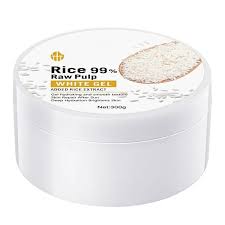
Bio Aqua Rice 99% Raw Pulp White Gel 300G
Regular price Rs.929.00Regular priceUnit price perRs.929.00Sale price Rs.929.00 -
Skin1004 Madagascar Centella Cream - 30ml
Regular price Rs.1,699.00Regular priceUnit price perRs.3,619.00Sale price Rs.1,699.00Sale -
POND's - Super Light Gel - 50ml
Regular price Rs.749.00Regular priceUnit price perRs.999.00Sale price Rs.749.00Sale -
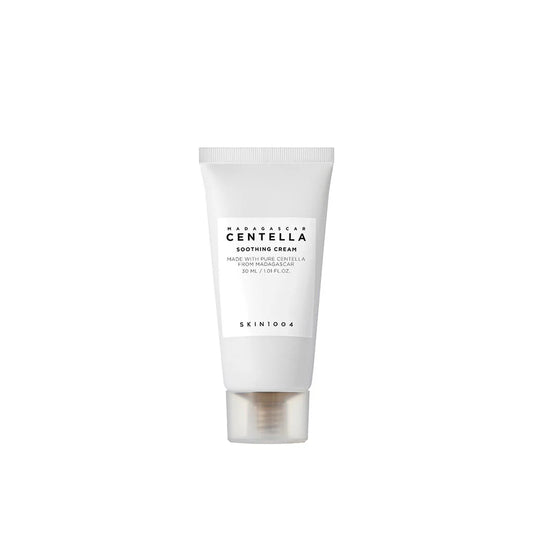
Skin1004 Madagascar Centella Soothing Cream - 30Ml
Regular price Rs.1,549.00Regular priceUnit price perRs.3,349.00Sale price Rs.1,549.00Sale -
Neutrogena Hydro Boost Gel-Cream Moisturiser 50Ml (Expiry 03/2027)
Regular price Rs.2,099.00Regular priceUnit price perRs.3,500.00Sale price Rs.2,099.00Sale -
POND's - Bright Beauty Gel - 50g
Regular price Rs.750.00Regular priceUnit price perRs.1,000.00Sale price Rs.750.00Sale -
Olay - Regenerist Glow Day Moisturiser With SPF30 - 50Ml
Regular price Rs.2,950.00Regular priceUnit price perRs.4,499.00Sale price Rs.2,950.00Sale -
Cerave Oil Control Moisturising Gel Cream 1.75Oz/52Ml
Regular price Rs.6,300.00Regular priceUnit price perRs.9,000.00Sale price Rs.6,300.00Sold out -
Neutrogena - Hydro Boost Water Gel 50 Ml (Expiry 03/2027)
Regular price Rs.1,999.00Regular priceUnit price perRs.3,500.00Sale price Rs.1,999.00Sold out -
AccuFix - AccuHydra Hydrating Gel Crème
Regular price Rs.1,976.00Regular priceUnit price perRs.2,195.00Sale price Rs.1,976.00Sold out -
Skin1004 - Madagascar Centella Cream 75Ml
Regular price Rs.4,189.00Regular priceUnit price perRs.6,259.00Sale price Rs.4,189.00Sold out -
Skin1004 - Madagascar Centella Soothing Cream 75Ml
Regular price Rs.4,189.00Regular priceUnit price perRs.6,259.00Sale price Rs.4,189.00Sold out -
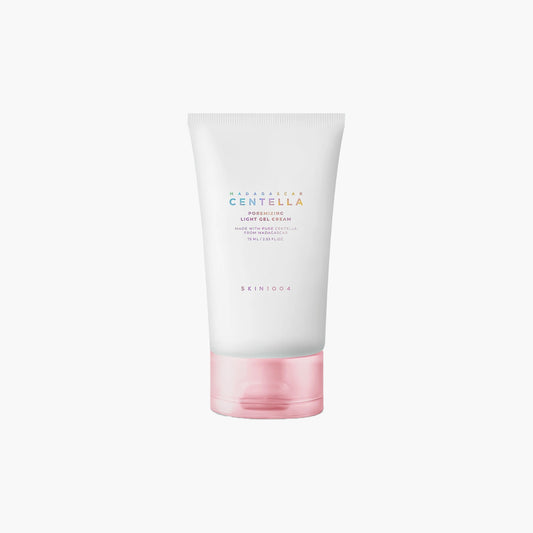
Skin1004 - Madagascar Poremizing Light Gel Cream 75Ml
Regular price Rs.4,399.00Regular priceUnit price perRs.6,589.00Sale price Rs.4,399.00Sold out -
Cosrx Green Tea Aqua Soothing Gel Cream 50Ml
Regular price Rs.4,729.00Regular priceUnit price perRs.7,579.00Sale price Rs.4,729.00Sold out -
Dr Rashel 24K Gold Collagen Anti Wrinkle Gel Cream 50Ml
Regular price Rs.1,649.00Regular priceUnit price perRs.1,649.00Sale price Rs.1,649.00Sold out








Gel Moisturizer
A gel moisturizer is the lightest hydrating format there is. Water sits at the top of the ingredient list, there’s little or no oil, and the texture is closer to a firm jelly than a cream. It disappears in seconds, cools on contact, and leaves nothing behind you can feel. For anyone whose skin runs oily, or who spends the summer in genuine heat, it’s less a preference than the only format that gets used consistently.
What’s actually in a gel moisturizer
Water, first and by a wide margin. Often over seventy per cent of the formula.
Humectants doing the hydrating. Glycerine, hyaluronic acid, sodium PCA and betaine pull water into the upper layers.
Gelling agents for structure. Carbomer or natural gums give it body without adding oil.
Very little or no lipid content. This is what separates a true gel from a gel-cream, which carries a small amount of emollient for extra cushion.
Frequently an active. Niacinamide, centella or panthenol turn up regularly, because the format suits skin that’s oily and irritated at the same time.
Who it works for
Oily skin, year round. Hydration without the shine, which is the whole problem this format solves.
Combination skin in summer. A gel across the whole face and something richer only on the cheeks is a common and sensible approach.
Acne-prone skin. Minimal occlusive content means less risk of clogging. Skin dealing with active breakouts needs hydration that won’t sit in a pore, and gels are the safest format for that.
Skin that reacts to richer formulas. Fewer ingredients, fewer things to react to. If your skin flushes or stings on most creams, a gel is a reasonable place to restart.
Men. Absorbs instantly, no residue, no shine under a beard.
Gel versus gel-cream versus lotion
The names get used loosely, so here’s the practical difference. A pure gel is transparent or near-transparent, entirely water-based, and best in high humidity. A gel-cream is opaque, carries a small amount of emollient, and gives more cushion without much weight — this is the better all-rounder for most people. A lotion is meaningfully richer again. If you want the same low weight but slightly more staying power, lightweight emulsions and lotions sit one step up.
How the weather decides this
Gels perform best where the air is already carrying moisture. Through a Karachi summer they’re close to ideal — the humidity does half the work, and anything heavier just traps sweat. Inland, through a dry Lahore or Quetta winter, a gel on its own will leave most skin feeling tight by evening. That’s not a failure of the product, it’s a mismatch of format to conditions. Keep the gel for the warm months and layer something occlusive over it when the air dries out.
Using it well
Apply to damp skin, always — with this little lipid content, the humectants need available water or they’ll pull it from deeper in the skin. Use a generous amount; gels are light enough that being sparing is a mistake. Press rather than rub. Wait thirty seconds before sunscreen. And if your skin feels tight two hours later, the answer is a second layer, not a heavier product.
When a gel isn’t enough
There’s a point where a gel stops being the right answer, and recognising it saves weeks of frustration. If your skin still feels tight two hours after a second layer, if you’re flaking anywhere, or if products that used to be comfortable have started stinging, the problem is lipids rather than water. A gel can’t supply those. Move to a gel-cream or add a light occlusive at night, and come back to the gel once the barrier has settled.
Why shop gel moisturizers at Highfy
Highfy stocks water gels, aqua creams and gel-creams from Korean, Japanese and international brands, all sourced authentic, with complete ingredient lists on every product page so you can check the base before buying. Browse the full moisturizer collection to compare gel textures against richer formats.


