


Skincare


Makeup


Haircare


-
Dr.Althea - PDRN Reju 5000 Cream - 20g
Regular price Rs.5,210.00Regular priceUnit price perRs.7,300.00Sale price Rs.5,210.00Sale -
L'Oréal Paris - Glycolic Bright Matte Luminizing Cream With Melasyl - 30Ml
Regular price Rs.2,399.00Regular priceUnit price perRs.2,999.00Sale price Rs.2,399.00Sale -
Jumiso - Snail Mucin 88 + Peptide Facial Cream - 100ml
Regular price Rs.5,449.00Regular priceUnit price perRs.7,359.00Sale price Rs.5,449.00Sale -
Simple Calming Moisturiser Skin Cream 50Ml
Regular price Rs.1,399.00Regular priceUnit price perRs.1,699.00Sale price Rs.1,399.00Sale -
Elmore - Glycerine Fragrance Free Cream - 90GM
Regular price Rs.570.00Regular priceUnit price perRs.570.00Sale price Rs.570.00 -
Skin1004 Madagascar Centella Cream - 30ml
Regular price Rs.1,699.00Regular priceUnit price perRs.3,619.00Sale price Rs.1,699.00Sale -
Klean Beauty - Ceramide Supercream 50Ml
Regular price Rs.1,444.15Regular priceUnit price perRs.1,699.00Sale price Rs.1,444.15Sale -
Medicube - Triple Collagen Cream - 50ml
Regular price Rs.5,710.00Regular priceUnit price perRs.8,000.00Sale price Rs.5,710.00Sale -
Neutrogena Hydro Boost Gel-Cream Moisturiser 50Ml (Expiry 03/2027)
Regular price Rs.2,099.00Regular priceUnit price perRs.3,500.00Sale price Rs.2,099.00Sale -
VI'DA - Pore less Primer & Moisturizer
Regular price Rs.1,530.00Regular priceUnit price perRs.1,700.00Sale price Rs.1,530.00Sale -
Jenpharm Dermive Moisturizer Sensitive For Normal To Dry 100ml
Regular price Rs.988.00Regular priceUnit price perRs.1,098.00Sale price Rs.988.00Sold out -
Anua - PDRN Hyaluronic Acid 100 Moisturizing Cream 60ml
Regular price Rs.5,470.00Regular priceUnit price perRs.7,660.00Sale price Rs.5,470.00Sold out -
Nivea Soft Moisturizing Cream 200ML
Regular price Rs.1,180.00Regular priceUnit price perRs.1,650.00Sale price Rs.1,180.00Sold out -
Jenpharm - Dermive Oil Free Fragrance Free Moisturizer Lotion - 100Ml
Regular price Rs.988.00Regular priceUnit price perRs.1,098.00Sale price Rs.988.00Sold out -
Purito Mighty Bamboo Panthenol Cream 100ml
Regular price Rs.4,899.00Regular priceUnit price perRs.7,799.00Sale price Rs.4,899.00Sold out -
Purito - Seoul Wonder Releaf Centella Cream - 50ml
Regular price Rs.4,399.00Regular priceUnit price perRs.6,369.00Sale price Rs.4,399.00Sold out -
Simple Hydrating Light Moisturiser Kind To Skin 125Ml
Regular price Rs.1,649.00Regular priceUnit price perRs.1,999.00Sale price Rs.1,649.00Sold out -
Neutrogena Collagen Bank Moisturizer 50Ml
Regular price Rs.5,225.00Regular priceUnit price perRs.5,500.00Sale price Rs.5,225.00Sold out -
Numbuzin - No.5 Glutathione Vitamin Dark Spot Laser Cream 50ml
Regular price Rs.5,719.00Regular priceUnit price perRs.7,139.00Sale price Rs.5,719.00Sold out -
La Roche Posay - Lipikar AP+M Triple Repair Moisturizing Cream - 200ml
Regular price Rs.7,999.00Regular priceUnit price perRs.9,499.00Sale price Rs.7,999.00Sold out -
La Roche Posay - Toleriane Double Repair Face Moisturizer - 40ml
Regular price Rs.6,749.00Regular priceUnit price perRs.7,999.00Sale price Rs.6,749.00Sold out -
La Roche-Posay - Lipikar AP+M Triple Repair Moisturizing Cream - 75ml
Regular price Rs.5,199.00Regular priceUnit price perRs.6,999.00Sale price Rs.5,199.00Sold out -
Skin1004 - Madagascar Centella Cream 75Ml
Regular price Rs.4,189.00Regular priceUnit price perRs.6,259.00Sale price Rs.4,189.00Sold out -
Bioaqua Vitamin C Cream 60G
Regular price Rs.929.00Regular priceUnit price perRs.929.00Sale price Rs.929.00Sold out -
Purito Seoul Wonder Releaf Centella Cream Unscented 15ml
Regular price Rs.1,349.00Regular priceUnit price perRs.1,859.00Sale price Rs.1,349.00Sold out -
Anua - Heartleaf 70% Intense Calming Cream - 50ml
Regular price Rs.7,874.00Regular priceUnit price perRs.8,749.00Sale price Rs.7,874.00Sold out -
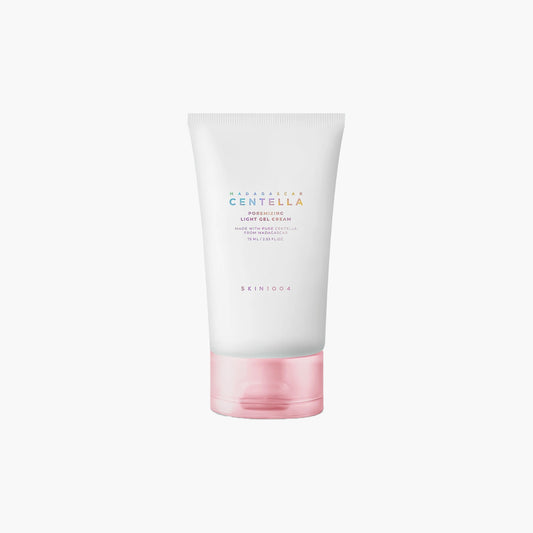
Skin1004 - Madagascar Poremizing Light Gel Cream 75Ml
Regular price Rs.4,399.00Regular priceUnit price perRs.6,589.00Sale price Rs.4,399.00Sold out


Moisturizer for Sensitive Skin
Most people who describe their skin as sensitive don’t have inherently sensitive skin. They have a damaged barrier, usually from over-cleansing, too many actives, or three years of products that promised results and delivered irritation. That’s an important distinction, because true sensitivity is something you manage, while barrier damage is something you fix. A moisturizer for sensitive skin should be doing the second job — calming the surface now, and rebuilding it over the following weeks.
How to tell which one you have
Reactive from childhood, across most products, often with eczema or allergies in the family. That’s genuine sensitivity. Manage it.
Reactive only in the last year or two, to things that used to be fine, with tightness and stinging on application. That’s barrier damage. Repairable, usually within six to eight weeks.
Reactive only to specific ingredients — fragrance, essential oils, a particular preservative. That’s an allergy, not sensitivity. Read labels rather than changing your whole routine.
What the formula should and shouldn’t contain
No added fragrance. The single most common irritant in skincare, and the easiest to remove. “Unscented” is not the same as fragrance-free — it can mean a masking fragrance has been added.
No essential oils. Natural doesn’t mean gentle. Lavender, citrus and mint oils are among the more reliable irritants on the shelf.
Barrier lipids. Ceramides, cholesterol and fatty acids, ideally together.
Soothing agents with evidence behind them. Centella asiatica, panthenol, allantoin, madecassoside, colloidal oatmeal.
Simple humectants. Hyaluronic acid is one of the very few actives almost nobody reacts to, which makes it a safe base to build on.
A short ingredient list. Fewer things in the bottle means fewer suspects when something goes wrong.
How to reintroduce products without triggering a reaction
Patch test on the inner forearm for three days before anything goes near your face. Introduce one new product at a time, with at least a week between additions. Stop all exfoliating acids and retinoids while the barrier is recovering — you cannot repair and strip simultaneously. And keep water lukewarm; hot water is a genuine aggravator, and in much of Pakistan geyser water in winter runs hotter than most people realise.
Why sensitive skin gets worse in certain conditions
Dust and particulate matter are the underrated factor here. Through the winter smog season in Lahore and much of Punjab, sensitive skin flares in ways that have nothing to do with the products being used. A well-formulated moisturizer acts as a physical buffer against that, which is a practical reason to keep using one on days when your skin already feels irritated rather than stripping everything back to nothing.
What comes after the barrier settles
Once the stinging has stopped and the redness has faded, you can start adding back. Go slowly. Gentle brightening formulas are usually the first safe reintroduction because the ingredients that even out tone are better tolerated than acids or retinoids. Give it a month before adding anything else.
When it isn’t the products
Some flare-ups have nothing to do with skincare. Stress, poor sleep, hormonal shifts, a change in laundry detergent, and dust exposure all present as sensitivity, and no amount of product switching will address them. If your skin reacts unpredictably rather than consistently, keep a short note of what changed in the days before each flare. The pattern is usually visible within a month, and it’s often not in the bathroom cabinet.
Why shop at Highfy
Highfy stocks fragrance-free, barrier-focused and dermatologist-developed moisturizers from Korean, Japanese and international brands, all sourced authentic, with full ingredient lists on every product page so you can check for your own triggers before buying. Browse the complete moisturizer collection, or see what’s available across the Pakistani market if availability is your main constraint.


