


Skincare


Makeup


Haircare


-
Saeed Ghani - No Crack Foot Cream
Regular price Rs.383.00Regular priceUnit price perRs.450.00Sale price Rs.383.00Sale -
Physiogel - Daily Moisture Therapy Cream Dry And Sensitive Skin 75 Ml
Regular price Rs.3,088.00Regular priceUnit price perRs.3,250.00Sale price Rs.3,088.00Sale -
Bioaqua Moisturizing Eye Cream 15Ml
Regular price Rs.869.00Regular priceUnit price perRs.869.00Sale price Rs.869.00Sold out -
Bioaqua - Rice Raw Pulp Eye Cream 20G
Regular price Rs.519.00Regular priceUnit price perRs.519.00Sale price Rs.519.00Sold out -
Physiogel Calming Relief A.L Cream 50Ml
Regular price Rs.3,088.00Regular priceUnit price perRs.3,250.00Sale price Rs.3,088.00Sale -
Nirvana Botanics - Bright-C Under Eye Cream - Dark Circles & Puffiness
Regular price Rs.1,485.00Regular priceUnit price perRs.1,650.00Sale price Rs.1,485.00Sale -
Estelin - Hyaluronic Acid Hydrating & Vitalizing Eye Cream 30G
Regular price Rs.1,409.00Regular priceUnit price perRs.1,409.00Sale price Rs.1,409.00Sold out -
Sadoer Kojic Acid Whiten Firms Eye Cream 20G
Regular price Rs.337.00Regular priceUnit price perRs.449.00Sale price Rs.337.00Sold out -
Some by mi - Retinol Intense Advanced Triple Action Eye cream 30Ml
Regular price Rs.5,269.00Regular priceUnit price perRs.8,189.00Sale price Rs.5,269.00Sale -
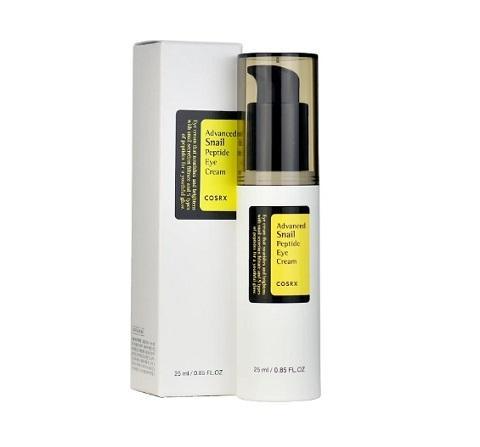
Cosrx Advanced Snail Peptide Eye Cream 25Ml
Regular price Rs.5,269.00Regular priceUnit price perRs.9,009.00Sale price Rs.5,269.00Sale -
Sadoer 4 in 1 Firming & Nourish Roll-on Eye Cream 20g
Regular price Rs.374.00Regular priceUnit price perRs.499.00Sale price Rs.374.00Sale -
HerBeauty - Eye Wonder
Regular price Rs.2,100.00Regular priceUnit price perRs.3,000.00Sale price Rs.2,100.00Sale -
Mary&May - Tranexamic Acid + Glutathione Eye Cream - 30ml
Regular price Rs.3,519.00Regular priceUnit price perRs.5,049.00Sale price Rs.3,519.00Sold out -
Skin Deep - Clinical Bakuchi Peptide Eye Crème
Regular price Rs.1,199.00Regular priceUnit price perRs.1,199.00Sale price Rs.1,199.00Sold out -
Mary & May - Glutathione Eye Cream Special Set (30g+12g x2)
Regular price Rs.3,729.00Regular priceUnit price perRs.4,669.00Sale price Rs.3,729.00Sold out -
Skin1004 - Madagascar Centella Probio-Cica Bakuchiol Eye Cream 20Ml
Regular price Rs.3,479.00Regular priceUnit price perRs.5,379.00Sale price Rs.3,479.00Sold out -
Mary&May - Tranexamic Acid + Glutathione Eye Cream Mini 12g
Regular price Rs.1,549.00Regular priceUnit price perRs.2,189.00Sale price Rs.1,549.00Sold out -
Cerave Eye Repair Cream 0.5Oz/14Ml
Regular price Rs.5,775.00Regular priceUnit price perRs.8,250.00Sale price Rs.5,775.00Sale -
Centellian24 - 360 Shot PDRN Lifting Eye Cream TECA + Retinol - 30ml
Regular price Rs.4,290.00Regular priceUnit price perRs.6,000.00Sale price Rs.4,290.00Sale -
Organic Traveller - Coffee under-eye serum
Regular price Rs.1,750.00Regular priceUnit price perRs.1,750.00Sale price Rs.1,750.00 -
Numbuzin - No.9 NAD+ Retinol Volumetox Eye Cream 10ml
Regular price Rs.4,449.00Regular priceUnit price perRs.6,039.00Sale price Rs.4,449.00Sold out -
The Purest Solution - Radiance Eye Contour Serum - 30ML
Regular price Rs.3,348.00Regular priceUnit price perRs.5,150.00Sale price Rs.3,348.00Sold out -
Medicube - Deep Lifting Peptide Eye Cream - 30ml
Regular price Rs.6,499.00Regular priceUnit price perRs.9,179.00Sale price Rs.6,499.00Sold out -
Celimax - The Real Noni Ultimate Eye Cream 20ml
Regular price Rs.4,399.00Regular priceUnit price perRs.6,149.00Sale price Rs.4,399.00Sold out -
VLCC - Almond Eye Cream
Regular price Rs.1,155.00Regular priceUnit price perRs.1,155.00Sale price Rs.1,155.00 -
Haruharu - Black Rice Bakuchiol Eye Cream 20ml
Regular price Rs.4,200.00Regular priceUnit price perRs.4,400.00Sale price Rs.4,200.00Sale -
Mixsoon Bean - Eye Cream - 20ml
Regular price Rs.6,199.00Regular priceUnit price perRs.7,859.00Sale price Rs.6,199.00Sold out




Eye Cream in Pakistan
Eye cream in Pakistan spans from under five hundred rupees to past eight thousand, and the category carries more marketing claim per rupee than almost any other in skincare. The useful way to shop it is by concern rather than by price — because an eye cream for pigmentation and one for puffiness carry different actives, and buying the wrong one is why people conclude the whole category does nothing.
Shop by concern
Pigmentation — genuine brown or grey discolouration. Niacinamide at 2–5%, azelaic acid, vitamin C derivatives, arbutin, retinol introduced slowly. Eight to twelve weeks. The dark circle cream guide covers the formulations properly, and the eye cream for dark circles page explains which of the three causes actually respond to treatment.
Vascular darkness — blue or purple tinting. Caffeine and vitamin K. Temporary effect, reapplied daily.
Structural shadow — a hollow beneath the eye. No cream helps. This needs filler.
Puffiness — caffeine, cold application and massage.
Dryness and fine lines — ceramides, hyaluronic acid and peptides rather than brightening actives.
Working out which you have before buying saves more money than any price comparison. All of it sits within the full Buy Eye Serums in Pakistan collection.
What each price band buys
Under Rs. 500. Mass-market and local eye creams. Mostly glycerin and emollients with trace actives, often fragranced — which is the wrong call on eye skin. They moisturise. They do not treat.
Rs. 500–1,500. Better local brands and entry-level Korean lines. Real niacinamide or caffeine content, fragrance-free options appearing.
Rs. 1,500–4,000. The most competitive band. Korean, Japanese and mid-tier international formulations with stated active percentages, ophthalmologist testing, and textures light enough not to migrate. Most buyers should be here.
Rs. 4,000–8,000. Dermatological and prestige lines. Precisely dosed retinol, peptide complexes, fragrance-free by default, clinical testing.
Above Rs. 8,000. Luxury positioning. The actives are not better than the band below.
The honest note: eye cream is a small-volume product — 15ml is typical — which makes the per-millilitre cost look alarming. But a grain-sized amount twice daily means a 15ml jar lasts four to six months, so the monthly cost is modest even at the upper bands.
What to check on the packaging
A stated percentage for the active. A cream listing fifteen botanical extracts and no percentages is a moisturiser. That is fine, as long as you are not paying treatment prices for it.
Fragrance-free, which should be the default on eye skin and frequently is not.
Ophthalmologist tested, which means it has been assessed for safety near the eye rather than just on skin generally.
Jar versus tube or pump. Jars expose the product to air and fingers; retinol and vitamin C degrade faster in them. A pump or tube is better for anything active.
Avoid heavy fragrance, essential oils including the natural-sounding ones, pure L-ascorbic acid, and anything promising results within a week.
Buying safely here
Customs duty, sales tax, freight and distributor margin add substantially — an eye cream retailing at the equivalent of Rs. 2,200 abroad commonly lands here around Rs. 3,800.
That gap drives counterfeiting, and this product goes immediately beside your eye. The tells: a texture thinner or thicker than a previous jar, a seal that is loose or missing, soft or misaligned printing, a batch code that does not match the outer box, and a price well below market.
Buy from sellers who can tell you where stock came from.
And check the medical basics before spending. Iron deficiency anaemia is very common in Pakistan, particularly among women, and it makes under-eye vessels more visible. If circles appeared or deepened over months alongside fatigue, a ferritin test costs less than a mid-range eye cream and may explain the whole thing.


