


Skincare


Makeup


Haircare


-
Estelin - Ultra Light Hydrating Invisible Sunscreen Spf 50 Pa+++ 50G
Regular price Rs.1,239.00Regular priceUnit price perRs.1,239.00Sale price Rs.1,239.00 -
Estelin - All In One Multi Defense Tinted Sunscreen Spf 70 Pa+++ 50G
Regular price Rs.1,239.00Regular priceUnit price perRs.1,239.00Sale price Rs.1,239.00 -
Estelin - Ultra Light Hydrating Invisible Sunscreen SPF 80+ 100g
Regular price Rs.1,529.00Regular priceUnit price perRs.1,529.00Sale price Rs.1,529.00 -
Estelin - All In One Multi Defense Tinted Sunscreen Spf 100 Pa+++ 100G
Regular price Rs.1,529.00Regular priceUnit price perRs.1,529.00Sale price Rs.1,529.00 -
Bioaqua V7 Deep Hydration Spray 200Ml
Regular price Rs.1,289.00Regular priceUnit price perRs.1,289.00Sale price Rs.1,289.00 -
Jenpharm Spectra Block Max Tinted Super Sunblock Cream 40G
Regular price Rs.998.00Regular priceUnit price perRs.998.00Sale price Rs.998.00 -
Jenpharm Spectra Block Broad Spectrum Sun Block Cream 40G
Regular price Rs.998.00Regular priceUnit price perRs.998.00Sale price Rs.998.00 -
Estelin - Ultra Light Hydrating Invisible Sunscreen Spray Spf 50 Pa+++ 180G
Regular price Rs.2,239.00Regular priceUnit price perRs.2,239.00Sale price Rs.2,239.00 -
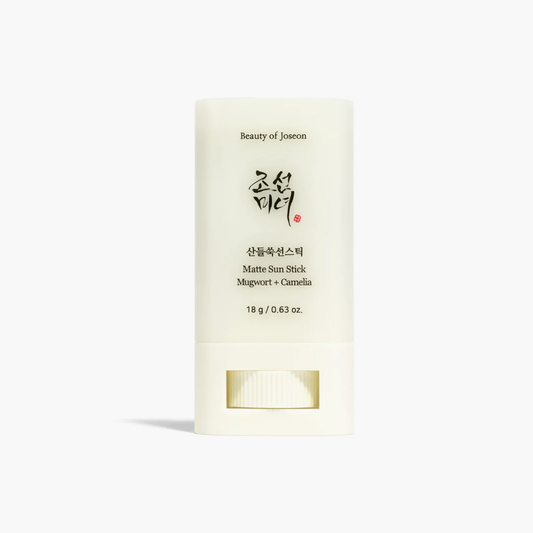
Beauty of Joseon Matte Sun Stick : Mugwort + Camelia (SPF50+ PA++++)
Regular price Rs.3,349.00Regular priceUnit price perRs.6,319.00Sale price Rs.3,349.00Sale -
Jenpharm Spectra Block Kids SPF50 PA++ 40g
Regular price Rs.998.00Regular priceUnit price perRs.998.00Sale price Rs.998.00 -
Organic Traveller - Barrier Hydrate Sunscreen
Regular price Rs.1,999.00Regular priceUnit price perRs.1,999.00Sale price Rs.1,999.00 -
Saeed Ghani - Sunblock SPF 60 with Vitamin C
Regular price Rs.459.00Regular priceUnit price perRs.540.00Sale price Rs.459.00Sale -
Klean Beauty - Melt In Hydrating Sunscreen SPF60 - 50Ml
Regular price Rs.1,699.15Regular priceUnit price perRs.1,999.00Sale price Rs.1,699.15Sale -
Nirvana Botanics - SunSlay Sunscreen Fluid SPF 50+++
Regular price Rs.1,598.00Regular priceUnit price perRs.1,775.00Sale price Rs.1,598.00Sale -
Rederm - Solero sunblock SPF 100
Regular price Rs.1,050.00Regular priceUnit price perRs.1,050.00Sale price Rs.1,050.00 -
Cosrx - Aloe Soothing Sun Cream Spf 50+ Pa+++ 50Ml
Regular price Rs.3,789.00Regular priceUnit price perRs.4,889.00Sale price Rs.3,789.00Sale -
Vince - Sun Block SPF 40 - 75Ml
Regular price Rs.840.00Regular priceUnit price perRs.840.00Sale price Rs.840.00 -
Estelin Ultra-Light & Anti-Wrinkle Sunscreen SPF90 PA+++
Regular price Rs.1,709.00Regular priceUnit price perRs.1,709.00Sale price Rs.1,709.00Sold out -
Garnier Bright Complete Vitamin C Super UV Matte Sunscreen SPF50+ - 30ML
Regular price Rs.1,783.00Regular priceUnit price perRs.2,229.00Sale price Rs.1,783.00Sale -
Neutrogena Ultra Sheer Dry-Touch Sunscreen Spf55 88Ml
Regular price Rs.5,000.00Regular priceUnit price perRs.7,000.00Sale price Rs.5,000.00Sold out -
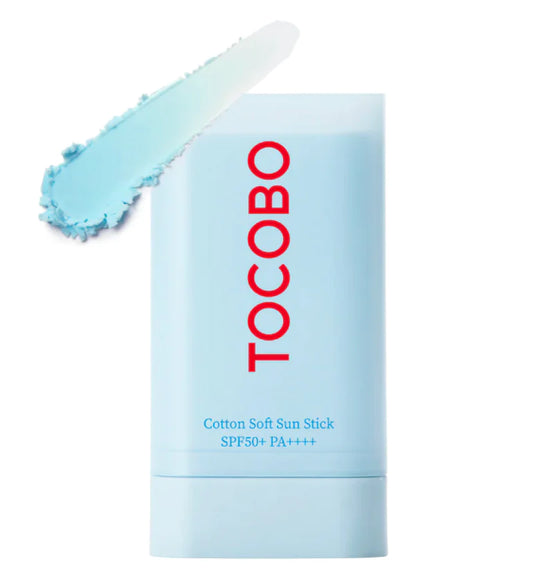
Tocobo Cotton Soft Sun Stick SPF50+ 19g
Regular price Rs.4,509.00Regular priceUnit price perRs.6,039.00Sale price Rs.4,509.00Sale -
Physiogel Red Smoothing Ai Sensitive Uv Sunscreen Spf 50 40Ml
Regular price Rs.3,183.00Regular priceUnit price perRs.3,350.00Sale price Rs.3,183.00Sold out -
Bioaqua Whitening Sunscreen Spf 50 40G
Regular price Rs.739.00Regular priceUnit price perRs.739.00Sale price Rs.739.00Sold out -
Nirvana Botanics - Light Mineral Sunscreen SPF 30+++
Regular price Rs.1,215.00Regular priceUnit price perRs.1,350.00Sale price Rs.1,215.00Sale -
Pond's - UV Miracle Bright Sunscreen SPF50++++ 50G
Regular price Rs.750.00Regular priceUnit price perRs.1,000.00Sale price Rs.750.00Sale -
Rivaj - Whitening & Vanishing SPF60 Sunblock - 100Ml
Regular price Rs.551.00Regular priceUnit price perRs.580.00Sale price Rs.551.00Sale -
Estelin Ultra-light & Moisturizing Sunscreen SPF 60 PA+++ 75G
Regular price Rs.1,409.00Regular priceUnit price perRs.1,409.00Sale price Rs.1,409.00 -
Rivaj - SPF90 Sunblock
Regular price From Rs.295.00Regular priceUnit price perRs.310.00Sale price From Rs.295.00Sale -
Organic Traveller - Glow SPF: Tinted Sunscreen
Regular price Rs.1,849.00Regular priceUnit price perRs.1,849.00Sale price Rs.1,849.00 -
Jenpharm - Spectra Block Aqua Fluid Sunscreen SPF60 PA++ 50Ml
Regular price Rs.1,498.00Regular priceUnit price perRs.1,498.00Sale price Rs.1,498.00 -
Pond's - UV Miracle Hydrate Sunscreen SPF50++++ 50G
Regular price Rs.750.00Regular priceUnit price perRs.1,000.00Sale price Rs.750.00Sale -
Glow & Lovely - Sunscreen - 25g
Regular price Rs.238.00Regular priceUnit price perRs.250.00Sale price Rs.238.00Sale






Medicated Sunblock for Oily Skin
This is the combination people search for when a dermatologist has told them to wear SPF daily and the sunscreen they own is making their skin worse. Oily skin and clinic-recommended formulas haven’t historically gone together — most pharmacy sunscreens were built around a rich, protective base. That’s changed, and the current generation of medicated formulas for oily skin behave nothing like the ones from a few years ago.
What “medicated” means for oily skin specifically
There’s no regulatory definition, so judge it by the formula rather than the packaging. In this category the useful markers are consistent.
High SPF with a proper UVA rating. SPF 50 or 50+, PA+++ or PA++++. Anything less isn’t worth calling medicated.
A sebum-regulating active. Niacinamide is the most common, usually at a level that actually does something. Zinc PCA and some botanical extracts appear too.
A non-comedogenic, low-oil base. Water, gel or fluid rather than cream. No heavy plant oils near the top of the ingredient list.
No fragrance, dye or essential oil. These are the ingredients most likely to irritate skin that’s already being treated.
A matte or satin dry-down, usually from silica or a light starch, that holds through the day without stripping.
Why oily skin ends up needing it
Three routes lead here, and they overlap.
Acne treatment. Benzoyl peroxide, adapalene, tretinoin, clindamycin and azelaic acid all make skin more photosensitive. Skipping sunscreen while using them causes marks that then take months to fade. The best sunscreen for acne prone skin in Pakistan range overlaps heavily with this collection for that reason.
Post-acne pigmentation. Dark marks left by old breakouts are driven deeper by UV. Sunscreen is the treatment, not an add-on to it.
Sebum plus humidity. Oily skin in a humid climate breaks down ordinary sunscreen quickly, so people reapply less and end up unprotected by afternoon.
Using it alongside prescription actives
Order matters. Prescription treatments almost always go on at night. Sunscreen goes on in the morning, over moisturiser, as the last skincare step.
If you’re on a retinoid, expect a period where skin is dry and oily at the same time. Don’t respond by switching to a heavier cream — use a light hydrating layer under a matte sunscreen instead.
Reapply every three to four hours when you’re outdoors. Blot first with tissue, then apply. Never skip a day because your skin is irritated; irritated skin burns faster, not slower.
Choosing the right one
If your skin is oily but you aren’t treating a specific condition, you don’t need a medicated formula. A well-made light gel from the general best sunblock for oily skin range will do the same job for less.
If you are being treated, the wider medicated sunblock in Pakistan selection covers dry, sensitive and acne-prone variants alongside this one.
A note on the climate here
Between May and September, humidity along the coast and through the monsoon belt sits high enough that anything with a slow dry-down never properly sets. That’s the practical argument for choosing a quick-setting fluid over a cream, regardless of what the label promises.
It also explains why so many people here report that sunscreen “stopped working” in June. The formula didn’t change; the conditions did. Switching to a lighter base for four months and returning to the usual one in October solves it without any change to the treatment itself.
Every formula in this collection pairs high SPF with an oil-control base and a non-comedogenic claim. For the complete shelf across all skin types and formats, you can buy sunscreen in Pakistan at Highfy.


