


Skincare


Makeup


Haircare


-
Estelin - Ultra Light Hydrating Invisible Sunscreen Spf 50 Pa+++ 50G
Regular price Rs.1,239.00Regular priceUnit price perRs.1,239.00Sale price Rs.1,239.00 -
Estelin - All In One Multi Defense Tinted Sunscreen Spf 70 Pa+++ 50G
Regular price Rs.1,239.00Regular priceUnit price perRs.1,239.00Sale price Rs.1,239.00 -
Estelin - Ultra Light Hydrating Invisible Sunscreen SPF 80+ 100g
Regular price Rs.1,529.00Regular priceUnit price perRs.1,529.00Sale price Rs.1,529.00 -
Estelin - All In One Multi Defense Tinted Sunscreen Spf 100 Pa+++ 100G
Regular price Rs.1,529.00Regular priceUnit price perRs.1,529.00Sale price Rs.1,529.00 -
Bioaqua V7 Deep Hydration Spray 200Ml
Regular price Rs.1,289.00Regular priceUnit price perRs.1,289.00Sale price Rs.1,289.00 -
Jenpharm Spectra Block Max Tinted Super Sunblock Cream 40G
Regular price Rs.998.00Regular priceUnit price perRs.998.00Sale price Rs.998.00 -
Jenpharm Spectra Block Broad Spectrum Sun Block Cream 40G
Regular price Rs.998.00Regular priceUnit price perRs.998.00Sale price Rs.998.00 -
Estelin - Ultra Light Hydrating Invisible Sunscreen Spray Spf 50 Pa+++ 180G
Regular price Rs.2,239.00Regular priceUnit price perRs.2,239.00Sale price Rs.2,239.00 -
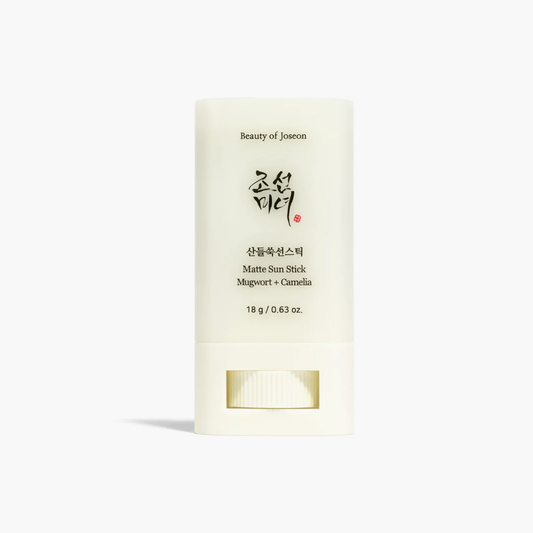
Beauty of Joseon Matte Sun Stick : Mugwort + Camelia (SPF50+ PA++++)
Regular price Rs.3,349.00Regular priceUnit price perRs.6,319.00Sale price Rs.3,349.00Sale -
Jenpharm Spectra Block Kids SPF50 PA++ 40g
Regular price Rs.998.00Regular priceUnit price perRs.998.00Sale price Rs.998.00 -
Organic Traveller - Barrier Hydrate Sunscreen
Regular price Rs.1,999.00Regular priceUnit price perRs.1,999.00Sale price Rs.1,999.00 -
Saeed Ghani - Sunblock SPF 60 with Vitamin C
Regular price Rs.459.00Regular priceUnit price perRs.540.00Sale price Rs.459.00Sale -
Klean Beauty - Melt In Hydrating Sunscreen SPF60 - 50Ml
Regular price Rs.1,699.15Regular priceUnit price perRs.1,999.00Sale price Rs.1,699.15Sale -
Nirvana Botanics - SunSlay Sunscreen Fluid SPF 50+++
Regular price Rs.1,598.00Regular priceUnit price perRs.1,775.00Sale price Rs.1,598.00Sale -
Rederm - Solero sunblock SPF 100
Regular price Rs.1,050.00Regular priceUnit price perRs.1,050.00Sale price Rs.1,050.00 -
Cosrx - Aloe Soothing Sun Cream Spf 50+ Pa+++ 50Ml
Regular price Rs.3,789.00Regular priceUnit price perRs.4,889.00Sale price Rs.3,789.00Sale -
Vince - Sun Block SPF 40 - 75Ml
Regular price Rs.840.00Regular priceUnit price perRs.840.00Sale price Rs.840.00 -
Estelin Ultra-Light & Anti-Wrinkle Sunscreen SPF90 PA+++
Regular price Rs.1,709.00Regular priceUnit price perRs.1,709.00Sale price Rs.1,709.00Sold out -
Garnier Bright Complete Vitamin C Super UV Matte Sunscreen SPF50+ - 30ML
Regular price Rs.1,783.00Regular priceUnit price perRs.2,229.00Sale price Rs.1,783.00Sale -
Neutrogena Ultra Sheer Dry-Touch Sunscreen Spf55 88Ml
Regular price Rs.5,000.00Regular priceUnit price perRs.7,000.00Sale price Rs.5,000.00Sold out -
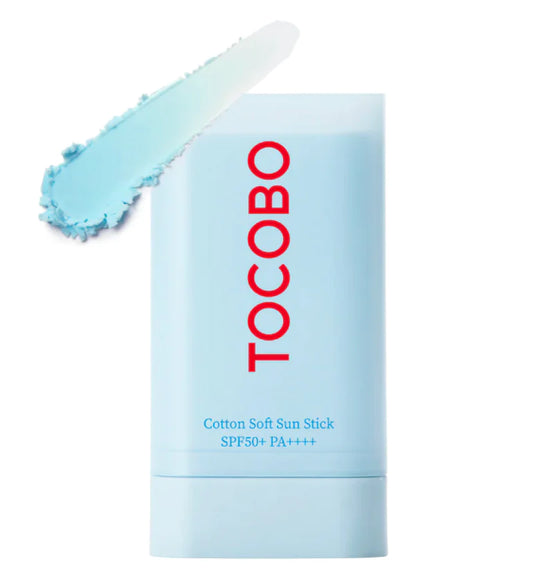
Tocobo Cotton Soft Sun Stick SPF50+ 19g
Regular price Rs.4,509.00Regular priceUnit price perRs.6,039.00Sale price Rs.4,509.00Sale -
Physiogel Red Smoothing Ai Sensitive Uv Sunscreen Spf 50 40Ml
Regular price Rs.3,183.00Regular priceUnit price perRs.3,350.00Sale price Rs.3,183.00Sold out -
Bioaqua Whitening Sunscreen Spf 50 40G
Regular price Rs.739.00Regular priceUnit price perRs.739.00Sale price Rs.739.00Sold out -
Nirvana Botanics - Light Mineral Sunscreen SPF 30+++
Regular price Rs.1,215.00Regular priceUnit price perRs.1,350.00Sale price Rs.1,215.00Sale -
Pond's - UV Miracle Bright Sunscreen SPF50++++ 50G
Regular price Rs.750.00Regular priceUnit price perRs.1,000.00Sale price Rs.750.00Sale -
Rivaj - Whitening & Vanishing SPF60 Sunblock - 100Ml
Regular price Rs.551.00Regular priceUnit price perRs.580.00Sale price Rs.551.00Sale -
Estelin Ultra-light & Moisturizing Sunscreen SPF 60 PA+++ 75G
Regular price Rs.1,409.00Regular priceUnit price perRs.1,409.00Sale price Rs.1,409.00 -
Rivaj - SPF90 Sunblock
Regular price From Rs.295.00Regular priceUnit price perRs.310.00Sale price From Rs.295.00Sale -
Organic Traveller - Glow SPF: Tinted Sunscreen
Regular price Rs.1,849.00Regular priceUnit price perRs.1,849.00Sale price Rs.1,849.00 -
Jenpharm - Spectra Block Aqua Fluid Sunscreen SPF60 PA++ 50Ml
Regular price Rs.1,498.00Regular priceUnit price perRs.1,498.00Sale price Rs.1,498.00 -
Pond's - UV Miracle Hydrate Sunscreen SPF50++++ 50G
Regular price Rs.750.00Regular priceUnit price perRs.1,000.00Sale price Rs.750.00Sale -
Glow & Lovely - Sunscreen - 25g
Regular price Rs.238.00Regular priceUnit price perRs.250.00Sale price Rs.238.00Sale






Medicated Sunscreen in Pakistan
Most people arrive at this category because a doctor told them to. That is a good reason, and it is worth understanding why the instruction was given, because the sunscreen is not an accessory to the treatment. In several of these conditions it is the largest single component of whether the treatment works.
Melasma and pigmentation
The most common reason a dermatologist here insists on daily SPF. Melasma is driven by UV and by visible light, and it recurs readily. Treatment with tranexamic acid, hydroquinone or azelaic acid fades existing pigment, but new pigment forms behind it every unprotected day.
A tinted formula matters more here than anywhere else, because iron oxides block the visible-light portion that plain sunscreen ignores completely.
Expect eight to twelve weeks before anything visible shifts, and longer for melasma. Anyone promising faster is selling something.
Acne and post-acne marks
Acne treatment raises photosensitivity sharply. Adapalene, tretinoin, benzoyl peroxide, azelaic acid and oral isotretinoin all do it, and sun exposure during treatment produces irritation that reads as the acne worsening.
The marks left behind after spots heal are the part most people actually mind, and UV is what makes them persist for months.
Eczema, rosacea and barrier conditions
Skin that cannot hold water also defends itself poorly against UV. Flares are often triggered or worsened by heat and sun exposure together.
Mineral filters, fragrance-free bases and ceramides are the standard recommendation.
After a procedure
Chemical peels, laser, microneedling and even threading leave skin more sun-sensitive for weeks. Pigmentation after a procedure is common here and almost entirely preventable.
Mineral sunscreen, applied generously, from the day your clinician allows it.
What to use alongside treatment
Prescription products at night, on dry skin. Sunscreen in the morning, over moisturiser, as the final step. Never mix a treatment cream into sunscreen and never apply a retinoid in daylight hours.
Use about a quarter teaspoon on the face. People under treatment are the most likely to under-apply out of caution, which is the opposite of what the situation calls for.
Reapply every three to four hours outdoors. Do not skip a day because skin feels sore; compromised skin burns faster, and a burn sets treatment back further than a week of dryness.
For dry, treated skin specifically
Retinoids and pigmentation treatments both dry skin out, and most treatment-grade sunscreens lean matte. That mismatch is the single most common complaint in this category, and the medicated sunblock for dry skin in Pakistan range exists to solve it.
What to expect from treatment
Progress in every one of these conditions is measured in months rather than weeks, and the sunscreen is the part that makes the rest possible rather than the part that produces visible change. It is genuinely unrewarding to use, because nothing appears to happen. What is actually happening is that the pigment, irritation or damage that would have formed did not. That is difficult to see and it is the entire point, which is why this is the step people drop first and should not.
If you are unsure which category you fall into, ask the clinician treating you which properties matter most for your condition rather than which brand to buy. Brands change and go out of stock; the properties do not, and knowing them lets you choose confidently from whatever is available.
The hub for this group is the best medicated sunblock in Pakistan with price collection, with the shortlisting view under best medicated sunscreen in Pakistan. You can also buy sunscreen in Pakistan across every category at Highfy.


