


Skincare


Makeup


Haircare


-
Estelin - Ultra Light Hydrating Invisible Sunscreen Spf 50 Pa+++ 50G
Regular price Rs.1,239.00Regular priceUnit price perRs.1,239.00Sale price Rs.1,239.00 -
Estelin - All In One Multi Defense Tinted Sunscreen Spf 70 Pa+++ 50G
Regular price Rs.1,239.00Regular priceUnit price perRs.1,239.00Sale price Rs.1,239.00 -
Estelin - Ultra Light Hydrating Invisible Sunscreen SPF 80+ 100g
Regular price Rs.1,529.00Regular priceUnit price perRs.1,529.00Sale price Rs.1,529.00 -
Estelin - All In One Multi Defense Tinted Sunscreen Spf 100 Pa+++ 100G
Regular price Rs.1,529.00Regular priceUnit price perRs.1,529.00Sale price Rs.1,529.00 -
Bioaqua V7 Deep Hydration Spray 200Ml
Regular price Rs.1,289.00Regular priceUnit price perRs.1,289.00Sale price Rs.1,289.00 -
Jenpharm Spectra Block Max Tinted Super Sunblock Cream 40G
Regular price Rs.998.00Regular priceUnit price perRs.998.00Sale price Rs.998.00 -
Jenpharm Spectra Block Broad Spectrum Sun Block Cream 40G
Regular price Rs.998.00Regular priceUnit price perRs.998.00Sale price Rs.998.00 -
Estelin - Ultra Light Hydrating Invisible Sunscreen Spray Spf 50 Pa+++ 180G
Regular price Rs.2,239.00Regular priceUnit price perRs.2,239.00Sale price Rs.2,239.00 -
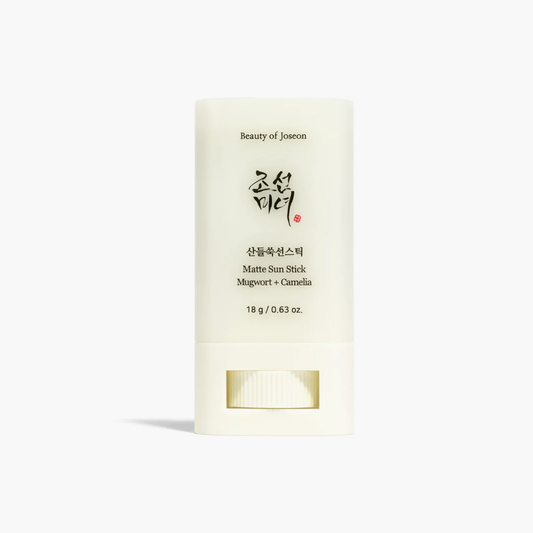
Beauty of Joseon Matte Sun Stick : Mugwort + Camelia (SPF50+ PA++++)
Regular price Rs.3,349.00Regular priceUnit price perRs.6,319.00Sale price Rs.3,349.00Sale -
Jenpharm Spectra Block Kids SPF50 PA++ 40g
Regular price Rs.998.00Regular priceUnit price perRs.998.00Sale price Rs.998.00 -
Organic Traveller - Barrier Hydrate Sunscreen
Regular price Rs.1,999.00Regular priceUnit price perRs.1,999.00Sale price Rs.1,999.00 -
Saeed Ghani - Sunblock SPF 60 with Vitamin C
Regular price Rs.459.00Regular priceUnit price perRs.540.00Sale price Rs.459.00Sale -
Klean Beauty - Melt In Hydrating Sunscreen SPF60 - 50Ml
Regular price Rs.1,699.15Regular priceUnit price perRs.1,999.00Sale price Rs.1,699.15Sale -
Nirvana Botanics - SunSlay Sunscreen Fluid SPF 50+++
Regular price Rs.1,598.00Regular priceUnit price perRs.1,775.00Sale price Rs.1,598.00Sale -
Rederm - Solero sunblock SPF 100
Regular price Rs.1,050.00Regular priceUnit price perRs.1,050.00Sale price Rs.1,050.00 -
Cosrx - Aloe Soothing Sun Cream Spf 50+ Pa+++ 50Ml
Regular price Rs.3,789.00Regular priceUnit price perRs.4,889.00Sale price Rs.3,789.00Sale -
Vince - Sun Block SPF 40 - 75Ml
Regular price Rs.840.00Regular priceUnit price perRs.840.00Sale price Rs.840.00 -
Estelin Ultra-Light & Anti-Wrinkle Sunscreen SPF90 PA+++
Regular price Rs.1,709.00Regular priceUnit price perRs.1,709.00Sale price Rs.1,709.00Sold out -
Garnier Bright Complete Vitamin C Super UV Matte Sunscreen SPF50+ - 30ML
Regular price Rs.1,783.00Regular priceUnit price perRs.2,229.00Sale price Rs.1,783.00Sale -
Neutrogena Ultra Sheer Dry-Touch Sunscreen Spf55 88Ml
Regular price Rs.5,000.00Regular priceUnit price perRs.7,000.00Sale price Rs.5,000.00Sold out -
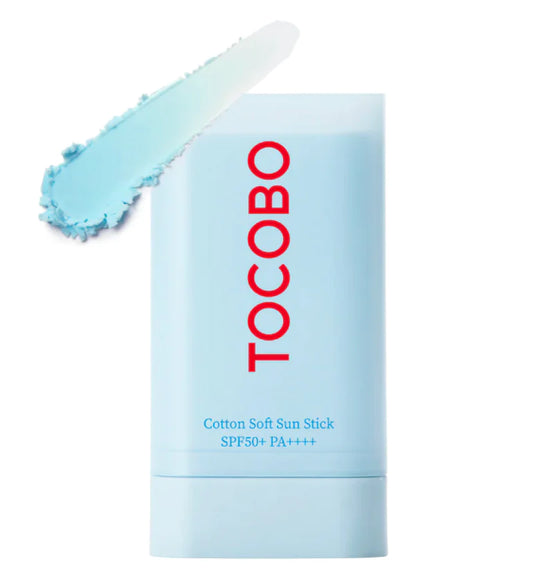
Tocobo Cotton Soft Sun Stick SPF50+ 19g
Regular price Rs.4,509.00Regular priceUnit price perRs.6,039.00Sale price Rs.4,509.00Sale -
Physiogel Red Smoothing Ai Sensitive Uv Sunscreen Spf 50 40Ml
Regular price Rs.3,183.00Regular priceUnit price perRs.3,350.00Sale price Rs.3,183.00Sold out -
Bioaqua Whitening Sunscreen Spf 50 40G
Regular price Rs.739.00Regular priceUnit price perRs.739.00Sale price Rs.739.00Sold out -
Nirvana Botanics - Light Mineral Sunscreen SPF 30+++
Regular price Rs.1,215.00Regular priceUnit price perRs.1,350.00Sale price Rs.1,215.00Sale -
Pond's - UV Miracle Bright Sunscreen SPF50++++ 50G
Regular price Rs.750.00Regular priceUnit price perRs.1,000.00Sale price Rs.750.00Sale -
Rivaj - Whitening & Vanishing SPF60 Sunblock - 100Ml
Regular price Rs.551.00Regular priceUnit price perRs.580.00Sale price Rs.551.00Sale -
Estelin Ultra-light & Moisturizing Sunscreen SPF 60 PA+++ 75G
Regular price Rs.1,409.00Regular priceUnit price perRs.1,409.00Sale price Rs.1,409.00 -
Rivaj - SPF90 Sunblock
Regular price From Rs.295.00Regular priceUnit price perRs.310.00Sale price From Rs.295.00Sale -
Organic Traveller - Glow SPF: Tinted Sunscreen
Regular price Rs.1,849.00Regular priceUnit price perRs.1,849.00Sale price Rs.1,849.00 -
Jenpharm - Spectra Block Aqua Fluid Sunscreen SPF60 PA++ 50Ml
Regular price Rs.1,498.00Regular priceUnit price perRs.1,498.00Sale price Rs.1,498.00 -
Pond's - UV Miracle Hydrate Sunscreen SPF50++++ 50G
Regular price Rs.750.00Regular priceUnit price perRs.1,000.00Sale price Rs.750.00Sale -
Glow & Lovely - Sunscreen - 25g
Regular price Rs.238.00Regular priceUnit price perRs.250.00Sale price Rs.238.00Sale






Best Sunscreen for Combination Skin
Combination skin gets the worst advice in skincare, because most product recommendations are written for one extreme or the other. Use an oil-control gel and your cheeks go tight and flaky. Use a hydrating cream and your forehead is shining by eleven. The best sunscreen for combination skin doesn’t try to fix both problems with one aggressive formula — it sits neutral enough to work across the whole face.
What combination skin actually is
An oily T-zone — forehead, nose, chin — with normal to dry cheeks, and often larger pores through the centre of the face. It’s the most common skin type in Pakistan’s climate, and it shifts seasonally: more oily through summer and the monsoon, drier through winter.
The mistake is treating it as oily skin. Mattifying formulas loaded with silica, starch and alcohol are built to strip oil from skin that has too much everywhere. On combination skin they over-correct the cheeks, which then compensate by producing more oil — the cycle that makes people think their skin is getting worse.
What to look for in a formula
A satin or natural finish, not full matte. Enough control for the T-zone, not so much that the cheeks suffer.
Lightweight hydration. Glycerin, panthenol, hyaluronic acid. These hold water without adding oil, which is exactly what combination skin needs.
Minimal heavy occlusives. Shea butter and mineral oil near the top of the list will congest the T-zone.
Non-comedogenic filters in a fluid or light cream base. Fluids, milky emulsions and light gels all work. Heavy creams and thick mineral pastes generally don’t.
Moderate or no alcohol. A little speeds drying. A lot dehydrates the cheeks.
Applying it zone by zone
The simplest fix for combination skin costs nothing: stop applying the same amount everywhere.
Apply your full quantity — about a quarter teaspoon for the face — but distribute it unevenly. Thinner through the T-zone, slightly more across the cheeks and jaw. If shine appears mid-day, blot the forehead and nose with tissue and press a little more sunscreen over the top rather than reapplying the whole face.
Some people run two products: a light gel through the centre and a fluid on the cheeks. It sounds fussy but it takes ten extra seconds and solves the problem completely.
How the seasons change things
From May to September, most of the country is hot and, on the coast and through the monsoon belt, humid. Combination skin behaves like oily skin during these months, and a lighter formula is the right call — the best sunblock for oily skin range is worth browsing through summer.
From November to February, especially in Lahore, Islamabad and the north, the air dries out and the cheeks lose ground first. A richer base suits better then, and the best sunblock for dry skin formulas are built for exactly that stretch of the year.
Switching between two sunscreens across the year isn’t indulgent. It’s the most practical thing combination skin can do.
Buying for combination skin
Read the finish description before the price. “Matte” and “oil-control” are signals to be cautious; “natural finish”, “lightweight”, “hydrating fluid” and “satin” are closer to what you want. SPF 50 with PA+++ or PA++++ remains the baseline.
If your skin sits closer to the middle than you thought, a best sunscreen for normal skin in Pakistan formula may be the easier choice. Everything here is filtered for balanced skin, and the full shelf is available if you’d rather buy sunscreen in Pakistan across every texture and SPF at Highfy.


