


Skincare


Makeup


Haircare


-
Bioaqua Vitamin C Face Mask 25G - 1 PC
Regular price Rs.219.00Regular priceUnit price perRs.219.00Sale price Rs.219.00 -
Bioaqua Honey Peach Facial Mask - 1 PC
Regular price Rs.219.00Regular priceUnit price perRs.219.00Sale price Rs.219.00 -
Biodance Bio Collagen Real Deep Mask - 1 PC
Regular price Rs.1,149.00Regular priceUnit price perRs.2,359.00Sale price Rs.1,149.00Sale -
Bioaqua Blueberry Moisturizing Mask - 1 PC
Regular price Rs.219.00Regular priceUnit price perRs.219.00Sale price Rs.219.00 -
Bioaqua Red Pomegranate Facial Mask - 1 PC
Regular price Rs.219.00Regular priceUnit price perRs.219.00Sale price Rs.219.00 -
Laneige Water Sleeping Mask 15Ml
Regular price Rs.1,099.00Regular priceUnit price perRs.1,479.00Sale price Rs.1,099.00Sold out -
Bioaqoua Green Tea Moisturizing Mask 25G - 1 PC
Regular price Rs.219.00Regular priceUnit price perRs.219.00Sale price Rs.219.00 -
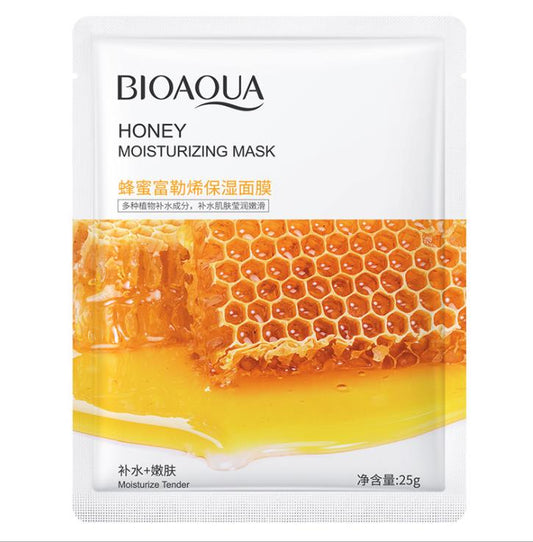
Bioaqua Honey Moisturizing Mask - 1 PC
Regular price Rs.219.00Regular priceUnit price perRs.219.00Sale price Rs.219.00 -
Bioaqua - Aloe Vera Moisturizing and Hydrating Mask - 25g
Regular price Rs.219.00Regular priceUnit price perRs.219.00Sale price Rs.219.00 -
Bioaqua Strawberry Facial Mask - 1 PC
Regular price Rs.219.00Regular priceUnit price perRs.219.00Sale price Rs.219.00 -
Bioaqua Lavender Relieve Facial Mask 25G - 1 PC
Regular price Rs.219.00Regular priceUnit price perRs.219.00Sale price Rs.219.00 -
Bioaqua Rose Essence Brighten Skin Mask 25G - 1 PC
Regular price Rs.219.00Regular priceUnit price perRs.219.00Sale price Rs.219.00Sold out -
Bioaqua Cucumber Facial Mask - 1 PC
Regular price Rs.219.00Regular priceUnit price perRs.219.00Sale price Rs.219.00Sold out -
Bioaqua Avocado Moisturizing Mask 25G - 1 PC
Regular price Rs.219.00Regular priceUnit price perRs.219.00Sale price Rs.219.00 -
Bioaqua Retinol Antioxidant Face Mask 25G - 1 PC
Regular price Rs.219.00Regular priceUnit price perRs.219.00Sale price Rs.219.00 -
Dr Rashel Youth Revitalizing Hyaluronic Acid Mask 25G
Regular price Rs.139.00Regular priceUnit price perRs.189.00Sale price Rs.139.00Sold out -
Bioaqua Collagen Protein + Anti Aging Facial Mask - 1 PC
Regular price Rs.219.00Regular priceUnit price perRs.219.00Sale price Rs.219.00Sold out -
Bioaqua Fresh Orange Vitamin C Brighten Facial Mask 25G - 1 PC
Regular price Rs.219.00Regular priceUnit price perRs.219.00Sale price Rs.219.00Sold out -
Dr Rashel White Skin Whiteining Fade Spot Mask
Regular price Rs.289.00Regular priceUnit price perRs.289.00Sale price Rs.289.00 -
Bioaqua Snails Face Mask 25G - 1 PC
Regular price Rs.219.00Regular priceUnit price perRs.219.00Sale price Rs.219.00Sold out -
Bioaqua - Rose Hyaluronic Acid Moisturizing Face Mask 25G - 1 PC
Regular price Rs.219.00Regular priceUnit price perRs.219.00Sale price Rs.219.00Sold out -
Bioaqua Green Tea Refreshing Mask 25G - 1 PC
Regular price Rs.219.00Regular priceUnit price perRs.219.00Sale price Rs.219.00 -
Bioaqua Hyalronic Acid Moisturize Mask 25G - 1 PC
Regular price Rs.219.00Regular priceUnit price perRs.219.00Sale price Rs.219.00Sold out -
Bioaqua - Acne Removal Facial Mask - 1 PC
Regular price Rs.289.00Regular priceUnit price perRs.289.00Sale price Rs.289.00 -
Sadoer Real Rose Moisturizing Facial Mask 25G - 1 PC
Regular price Rs.112.00Regular priceUnit price perRs.149.00Sale price Rs.112.00Sold out -
Bioaqua Camellias Anti-Oxidation Hydrating Mask - 1 PC
Regular price Rs.219.00Regular priceUnit price perRs.219.00Sale price Rs.219.00Sold out -
Bioaqua Salicylic Acid Acne Removal Mask 25G - 1 PC
Regular price Rs.219.00Regular priceUnit price perRs.219.00Sale price Rs.219.00 -
Medicube - Collagen Night Wrapping Mask 75ml
Regular price Rs.5,869.00Regular priceUnit price perRs.9,619.00Sale price Rs.5,869.00Sold out -
Medicube - Pdrn Pink Collagen Gel Mask 28g
Regular price Rs.1,469.00Regular priceUnit price perRs.2,139.00Sale price Rs.1,469.00Sale -
Bioaqua Rice Skin Beauty Essence Face Mask 25G - 1 PC
Regular price Rs.219.00Regular priceUnit price perRs.219.00Sale price Rs.219.00Sold out -
Biodance Hydro Cera-nol Real Deep Mask/34gm - 1 PC
Regular price Rs.1,149.00Regular priceUnit price perRs.2,359.00Sale price Rs.1,149.00Sale -
Bioaqua Whitening Antidoxidant Vitamin C Facial Mask 25G
Regular price Rs.219.00Regular priceUnit price perRs.219.00Sale price Rs.219.00Sold out




Best Face Mask
There is no single best face mask, and any list claiming otherwise is ranking products that solve different problems against each other. A clay mask and a hydrating sheet mask are not competing — one absorbs oil and one delivers water, and buying the wrong one for your skin produces a worse result than buying nothing. The useful question is which type suits your skin and your concern, and that is a five-minute decision once you know how the categories divide.
Start with your skin, not the packaging
Oily and congested skin wants clay or charcoal. Kaolin and bentonite absorb surface sebum and draw out the plugs that become blackheads. Once or twice a week, no more — daily clay strips the barrier and triggers rebound oil.
Dry and dehydrated skin wants cream or sleeping masks. These are essentially high-concentration moisturisers with long contact time, and the effect is cumulative rather than instant.
Dull or uneven skin wants a gentle exfoliating mask with lactic or mandelic acid, used once a week. This is where the visible immediate clarity comes from.
Sensitive or compromised skin wants soothing formulas — centella, oat, allantoin, panthenol — and nothing exfoliating until the barrier settles.
Combination skin should multi-mask: clay on the T-zone, cream on the cheeks, same twenty minutes. This sounds fussy and takes no extra time.
The formats, and what each is actually for
Sheet masks deliver hydration through occlusion. Twenty minutes under a sheet pushes essence into the upper layers, and the plumping is real and lasts a day or two. Best before an event. Expensive as a weekly routine.
Clay masks absorb. The only format that genuinely reduces congestion.
Cream and sleeping masks moisturise over a long contact time. The most useful format for dry skin and the most cumulative.
Exfoliating masks clear the dead cell layer. The most effective and the easiest to overuse.
Peel-off masks lift the top layer along with surface debris and vellus hair. Good for immediate smoothness, not for blackheads, and the harsher charcoal versions irritate with repeated use.
For congestion specifically, a clay mask in pakistan is the only format that genuinely draws oil out of the follicle. Where you want immediate surface smoothness, a peel off mask does that in twenty minutes, and if a firmer-looking finish before an event is the goal, the skin tightening mask range explains what is realistically achievable. Everything sits within the full Buy Face Masks In Pakistan collection.
How to read a mask label
Check the active and its position. An exfoliating mask naming lactic acid near the bottom of the list, below the fragrance, contains a trace. One naming it in the first five lines is doing the work.
Check for a hydrating counterweight. A clay mask with no humectant or emollient will leave skin tight and trigger more oil.
Ignore the colour and the scent. Both are added, neither indicates anything about performance, and heavy fragrance is the commonest cause of reactions in this category.
Be sceptical of anything claiming to shrink pores. Pore size is structural. Masks clear what is in them, which makes them look smaller temporarily.
Using them properly
Once or twice a week. Masking daily is the most common mistake here, and with clay or acids it damages the barrier.
Always on clean skin. A mask over the day’s sunscreen and dust sits on top of it.
Fifteen to twenty minutes. Letting a clay mask dry to cracking pulls moisture out of the skin — remove it while it is still slightly tacky. Same for sheet masks: take it off before the sheet dries.
Moisturise afterwards, without exception.
Patch test anything new, particularly if it contains acids or strong botanicals.
One local note
Heat and humidity across most of Pakistan from April to September mean congestion builds faster here than the same skin type would experience in a temperate climate, and clay masks earn their place in those months. Through the dry northern winter the same skin often needs cream masks instead. Rotating seasonally is reasonable and not a sign the first product failed.


