


Skincare


Makeup


Haircare


-
Bio Aqua Rice Raw Pulp Mask 25G
Regular price Rs.219.00Regular priceUnit price perRs.219.00Sale price Rs.219.00Sold out -
Laneige - Lip Sleeping Mask Berry 3G
Regular price Rs.1,099.00Regular priceUnit price perRs.1,589.00Sale price Rs.1,099.00Sale -
Bioaqua Vitamin C Face Mask 25G - 1 PC
Regular price Rs.219.00Regular priceUnit price perRs.219.00Sale price Rs.219.00 -
Dr. Rashel Hyaluronic Acid Instant Hydration & Essence Mask
Regular price Rs.439.00Regular priceUnit price perRs.439.00Sale price Rs.439.00 -
Bioaqua Honey Peach Facial Mask - 1 PC
Regular price Rs.219.00Regular priceUnit price perRs.219.00Sale price Rs.219.00 -
Biodance Bio Collagen Real Deep Mask - 1 PC
Regular price Rs.1,149.00Regular priceUnit price perRs.2,359.00Sale price Rs.1,149.00Sale -
Bioaqua Blueberry Moisturizing Mask - 1 PC
Regular price Rs.219.00Regular priceUnit price perRs.219.00Sale price Rs.219.00Sold out -
Bioaqua Red Pomegranate Facial Mask - 1 PC
Regular price Rs.219.00Regular priceUnit price perRs.219.00Sale price Rs.219.00 -
Tresemme - Keratin Smooth Hair Mask - 250ml
Regular price Rs.900.00Regular priceUnit price perRs.1,200.00Sale price Rs.900.00Sale -
Laneige Water Sleeping Mask 15Ml
Regular price Rs.1,099.00Regular priceUnit price perRs.1,479.00Sale price Rs.1,099.00Sold out -
Bioaqoua Green Tea Moisturizing Mask 25G - 1 PC
Regular price Rs.219.00Regular priceUnit price perRs.219.00Sale price Rs.219.00 -
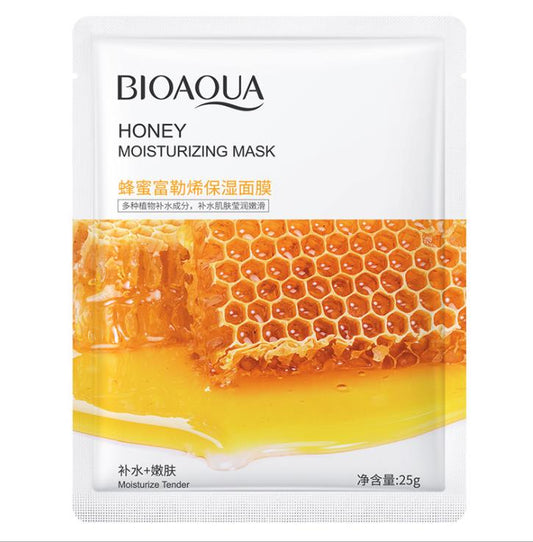
Bioaqua Honey Moisturizing Mask - 1 PC
Regular price Rs.219.00Regular priceUnit price perRs.219.00Sale price Rs.219.00 -
Bioaqua - Aloe Vera Moisturizing and Hydrating Mask - 25g
Regular price Rs.219.00Regular priceUnit price perRs.219.00Sale price Rs.219.00 -
Bioaqua Strawberry Facial Mask - 1 PC
Regular price Rs.219.00Regular priceUnit price perRs.219.00Sale price Rs.219.00 -
Bioaqua Lavender Relieve Facial Mask 25G - 1 PC
Regular price Rs.219.00Regular priceUnit price perRs.219.00Sale price Rs.219.00 -
Bioaqua Rose Essence Brighten Skin Mask 25G - 1 PC
Regular price Rs.219.00Regular priceUnit price perRs.219.00Sale price Rs.219.00Sold out -
Bioaqua Cucumber Facial Mask - 1 PC
Regular price Rs.219.00Regular priceUnit price perRs.219.00Sale price Rs.219.00Sold out -
Bioaqua Avocado Moisturizing Mask 25G - 1 PC
Regular price Rs.219.00Regular priceUnit price perRs.219.00Sale price Rs.219.00 -
Bioaqua Retinol Antioxidant Face Mask 25G - 1 PC
Regular price Rs.219.00Regular priceUnit price perRs.219.00Sale price Rs.219.00 -
Facial Beauty - Mask Brush 1 s
Regular price Rs.329.00Regular priceUnit price perRs.369.00Sale price Rs.329.00Sold out -
Dr Rashel Youth Revitalizing Hyaluronic Acid Mask 25G
Regular price Rs.139.00Regular priceUnit price perRs.189.00Sale price Rs.139.00Sold out -
Bioaqua Collagen Protein + Anti Aging Facial Mask - 1 PC
Regular price Rs.219.00Regular priceUnit price perRs.219.00Sale price Rs.219.00Sold out -
Bioaqua Fresh Orange Vitamin C Brighten Facial Mask 25G - 1 PC
Regular price Rs.219.00Regular priceUnit price perRs.219.00Sale price Rs.219.00Sold out -
Dr Rashel White Skin Whiteining Fade Spot Mask
Regular price Rs.289.00Regular priceUnit price perRs.289.00Sale price Rs.289.00 -
Bioaqua Snails Face Mask 25G - 1 PC
Regular price Rs.219.00Regular priceUnit price perRs.219.00Sale price Rs.219.00Sold out -
Bioaqua - Rose Hyaluronic Acid Moisturizing Face Mask 25G - 1 PC
Regular price Rs.219.00Regular priceUnit price perRs.219.00Sale price Rs.219.00Sold out -
Bioaqua Green Tea Refreshing Mask 25G - 1 PC
Regular price Rs.219.00Regular priceUnit price perRs.219.00Sale price Rs.219.00 -
Bioaqua Hyalronic Acid Moisturize Mask 25G - 1 PC
Regular price Rs.219.00Regular priceUnit price perRs.219.00Sale price Rs.219.00Sold out -
Bioaqua - Acne Removal Facial Mask - 1 PC
Regular price Rs.289.00Regular priceUnit price perRs.289.00Sale price Rs.289.00 -
Sadoer Real Rose Moisturizing Facial Mask 25G - 1 PC
Regular price Rs.112.00Regular priceUnit price perRs.149.00Sale price Rs.112.00Sold out -
Bioaqua Camellias Anti-Oxidation Hydrating Mask - 1 PC
Regular price Rs.219.00Regular priceUnit price perRs.219.00Sale price Rs.219.00Sold out -
Bioaqua Salicylic Acid Acne Removal Mask 25G - 1 PC
Regular price Rs.219.00Regular priceUnit price perRs.219.00Sale price Rs.219.00




Clay Mask in Pakistan
Clay is the only mask format that genuinely reduces congestion rather than improving how skin looks on the surface. It works by absorption — the clay particles carry a charge that binds oil and draws it out of the follicle, which is a physical process rather than a cosmetic one. That makes a clay mask in Pakistan one of the more useful products available here, where heat keeps sebum production elevated for eight months of the year, and also one of the easiest to overuse.
The clays, and which suits your skin
They are not interchangeable, and picking the wrong one is why people conclude clay masks are too drying.
Kaolin is the gentlest. White kaolin absorbs least and suits dry, sensitive or normal skin. Pink and yellow kaolin sit slightly stronger.
Bentonite is the most absorbent and the one most people mean when they say clay mask. Excellent on oily and congested skin, genuinely too much for dry skin.
Rhassoul absorbs oil while leaving more moisture behind than bentonite, which makes it the best option for combination skin.
French green clay is highly absorbent with mild exfoliating action. Oily and acne-prone skin only.
Fuller’s earth, widely available locally as multani mitti, is strongly absorbent and has been used here for generations. It works, and used more than twice a week on anything but very oily skin it strips the barrier.
Match the clay to your skin rather than buying the strongest available. Oily skin that gets stripped responds by producing more oil, which is the loop most people are stuck in.
What belongs alongside the clay
A clay mask with nothing but clay in it will leave skin tight, and tight skin triggers rebound sebum.
Look for glycerin or aloe in the base, niacinamide for sebum regulation over weeks, salicylic acid if congestion rather than shine is your concern, and soothing agents like centella or oat.
Avoid heavy fragrance, which is the commonest cause of reaction in this format, and avoid masks that list clay as the only meaningful ingredient.
If surface texture rather than congestion is the issue, a peel off mask clears the top layer instead. Where the goal is a firmer-looking finish before an event, the skin tightening mask range explains what is realistically achievable, and for radiance a face mask for glowing skin will do more than clay ever does. All of it sits within the full Buy Face Masks In Pakistan collection.
The mistake almost everyone makes
Do not let it dry completely.
A clay mask works while it is damp — that is when absorption happens. Once it dries and starts cracking, it stops drawing oil and starts drawing water, pulling moisture out of the skin underneath. The tight, taut feeling people take as proof it is working is the opposite.
Remove it while it is still slightly tacky. Ten to fifteen minutes is usually right, and if your bathroom is warm it will be less.
If it has already dried, wet your fingers and soften it before removing rather than scrubbing it off dry.
Frequency, and adjusting for the season
Once or twice a week for oily skin. Once a week or once a fortnight for combination. Dry skin rarely needs clay at all, and should use kaolin only if it does.
Multi-masking is the sensible approach for combination skin: clay on the T-zone, something hydrating on the cheeks, same fifteen minutes.
Pakistan’s climate makes a seasonal case for this. From April to September, heat drives sebum output up across the whole face and dust binds to it, so twice weekly clay is reasonable for oily skin through those months. Through the dry northern winter the same skin often needs it once a fortnight at most, and pushing the summer frequency into January is how people end up with a stripped, flaking barrier by February.
Always moisturise afterwards. Clay removes; something has to replace.


