


Skincare


Makeup


Haircare


-
Sadoer Dark Knuckle Whitening Serum Nia +Vc 50Ml
Regular price Rs.749.00Regular priceUnit price perRs.749.00Sale price Rs.749.00
-
Celimax - Pore+Dark Spot Brightening Cream 35ml
Regular price Rs.3,749.00Regular priceUnit price perRs.5,769.00Sale price Rs.3,749.00Sale -
Jenpharm Maxdif Brightening Serum 30Ml
Regular price Rs.1,998.00Regular priceUnit price perRs.1,998.00Sale price Rs.1,998.00 -
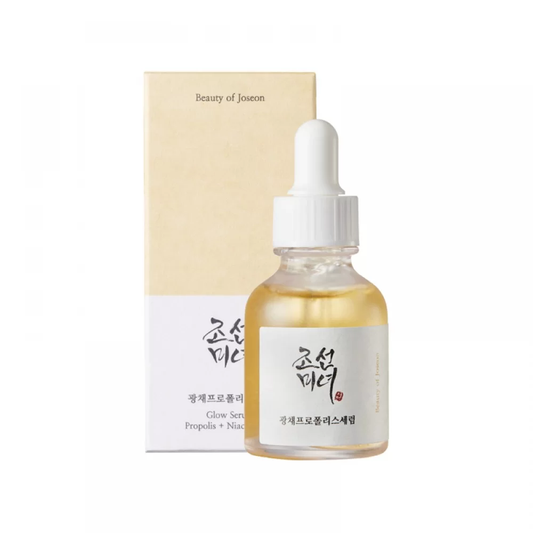
Beauty of Joseon Glow Serum : Propolis + Niacinamide
Regular price Rs.3,600.00Regular priceUnit price perRs.6,589.00Sale price Rs.3,600.00Sale -
POND's - Bright Beauty Serum - 15ml
Regular price Rs.903.00Regular priceUnit price perRs.950.00Sale price Rs.903.00Sale -
Garnier Bright Complete Vitamin C Serum - 15Ml
Regular price Rs.989.10Regular priceUnit price perRs.1,099.00Sale price Rs.989.10Sale -
Organic Traveller - Quench: Brightening Serum
Regular price Rs.1,329.00Regular priceUnit price perRs.1,399.00Sale price Rs.1,329.00Sale -
Medicube - TXA Niacinamide Capsule Serum 55g
Regular price Rs.6,349.00Regular priceUnit price perRs.9,069.00Sale price Rs.6,349.00Sale -
AccuFix - Encapsulated Retinol + B5 serum
Regular price Rs.3,146.00Regular priceUnit price perRs.3,495.00Sale price Rs.3,146.00Sale -
Beautenic - Azelaic Acid 10% + Alpha Arbutin 2% + Licorice 10% Serum
Regular price Rs.1,889.00Regular priceUnit price perRs.2,099.00Sale price Rs.1,889.00Sale -
Klean Beauty Peptide Complex Serum 30Ml
Regular price Rs.2,339.00Regular priceUnit price perRs.2,599.00Sale price Rs.2,339.00Sale -
Medicube - TXA Niacinamide 15% Serum 30ml
Regular price Rs.6,000.00Regular priceUnit price perRs.7,029.00Sale price Rs.6,000.00Sale -
Jenpharm Niaronic Acne Control Serum Vitamin B3 30Ml
Regular price Rs.1,998.00Regular priceUnit price perRs.1,998.00Sale price Rs.1,998.00 -
Anua - Green Lemon Vitamin C Blemish Serum Mask 25ml
Regular price Rs.1,799.00Regular priceUnit price perRs.1,999.00Sale price Rs.1,799.00Sale -
Glamorous Face - Oil Free Cover Stick
Regular price Rs.359.00Regular priceUnit price perRs.399.00Sale price Rs.359.00Sale -
Jenpharm Cerulic Glow Boosting Serum 30Ml
Regular price Rs.1,998.00Regular priceUnit price perRs.1,998.00Sale price Rs.1,998.00 -
Nirvana Botanics - Peachcinamide TXA Serum (6% Niacinamide, 4% TXA)
Regular price Rs.1,950.00Regular priceUnit price perRs.1,950.00Sale price Rs.1,950.00 -
Neophar - Hydrobase Serum
Regular price Rs.2,205.00Regular priceUnit price perRs.2,450.00Sale price Rs.2,205.00Sale -
Jenpharm Mandelac Serum 3 In 1 30Ml
Regular price Rs.1,598.00Regular priceUnit price perRs.1,598.00Sale price Rs.1,598.00 -
Skin Joy - Niacinamide Refining Serum 10% 30Ml
Regular price Rs.1,850.00Regular priceUnit price perRs.1,850.00Sale price Rs.1,850.00 -
Oneskin - Glow Getter - Glutathione Alpha Arbutin 2%, Vitamin B3, Avocado Oil Extract - 30ml
Regular price Rs.1,350.00Regular priceUnit price perRs.1,500.00Sale price Rs.1,350.00Sale -
Celimax - Derma Nature Glutathione Tone-Up Cream 35ml
Regular price Rs.4,399.00Regular priceUnit price perRs.6,259.00Sale price Rs.4,399.00Sale -
AccuFix - Niacinamide Serum | Niacin Serum
Regular price Rs.1,886.00Regular priceUnit price perRs.2,095.00Sale price Rs.1,886.00Sale -
Bioaqua Vitamin C White Brightening Face Serum 30Ml
Regular price Rs.554.00Regular priceUnit price perRs.739.00Sale price Rs.554.00Sale -
Dr. Rashel - White Skin Whitening Fade Spots Serum 50Ml
Regular price Rs.1,237.00Regular priceUnit price perRs.1,649.00Sale price Rs.1,237.00Sale -
Beauty of Joseon Light On Serum : Centella + Vita C
Regular price Rs.4,799.00Regular priceUnit price perRs.7,089.00Sale price Rs.4,799.00Sale -
HerBeauty - Superkind Brighten And Correct Serum
Regular price Rs.2,700.00Regular priceUnit price perRs.3,000.00Sale price Rs.2,700.00Sale -
AccuFix - Azelaic Acid Serum
Regular price Rs.3,146.00Regular priceUnit price perRs.3,495.00Sale price Rs.3,146.00Sale -
Dr Rashel Facial Serum Set 3 Pack- Anti-Aging Moisturizing Vitamin C Hyaluronic Acid And Retinol
Regular price Rs.2,294.00Regular priceUnit price perRs.3,059.00Sale price Rs.2,294.00Sale -
Beauty of Joseon Light On Serum : Centella + Vita C (10ml)
Regular price Rs.1,839.00Regular priceUnit price perRs.2,249.00Sale price Rs.1,839.00Sale -
AccuFix - Vitamin C Serum with 10% SAP
Regular price Rs.1,886.00Regular priceUnit price perRs.2,095.00Sale price Rs.1,886.00Sale -
Oneskin - Joyful Radiance - Niacinamide 10%, Zinc 1%, Tea Tree Extract - 30ml
Regular price Rs.1,350.00Regular priceUnit price perRs.1,500.00Sale price Rs.1,350.00Sale




Best Serum for Acne Marks
Acne marks outlast the acne by months, which is why people who have finally cleared their breakouts often feel like nothing has improved. The mark is not the acne. It is what the skin left behind while healing, and it responds to a completely different set of ingredients. The best serum for acne marks works on pigment and on the inflammation that produced it, and it works slowly enough that most people give up before it finishes.
Brown marks against red marks
Brown or grey marks are post-inflammatory hyperpigmentation, caused by melanin overproduction during healing, and they are more common on medium and deeper skin tones. Red or pink marks are post-inflammatory erythema, caused by damaged capillaries rather than pigment, and they show more on fair skin. They need different actives. Brightening ingredients work on the first and do almost nothing for the second, which is why a serum that cleared a friend’s marks may do nothing for yours.
What works on brown marks
Vitamin C in the morning, niacinamide at any point in the routine, azelaic acid, alpha arbutin and retinol at night. Any two of those used consistently will fade post-acne pigmentation within three to four months. Retinol is the most effective single option because it accelerates turnover as well as addressing pigment, but it needs building up slowly on skin that has recently been inflamed.
What works on red marks
Azelaic acid and niacinamide, both of which reduce the vascular inflammation underneath. Centella and panthenol help by calming the skin generally. What does not help, and frequently makes it worse, is exfoliating acids, which aggravate the capillary damage causing the redness. Red marks also resolve on their own over four to six months more reliably than brown ones do, so patience does more work here than any product.
Stopping the next mark
Every new breakout produces a new mark, and marks accumulate faster than any serum clears them. Anyone still getting active acne should treat that in parallel rather than waiting until the skin is clear. Picking is the other half of this: a squeezed pimple produces a larger, darker, longer-lasting mark than one left alone, and that is the single change that improves outcomes most for people who do it habitually.
Sunscreen decides the pace
Ultraviolet light darkens every existing mark and slows how fast it clears. Pakistan’s UV index stays high from March through October, and exposure through a car or office window counts. Without daily sunscreen you fade marks at roughly the rate the sun deepens them, which is precisely how people conclude a working serum has failed. If the budget allows one product for acne marks, it should be the sunscreen.
How long to wait before judging
Brown marks fade noticeably between twelve and sixteen weeks. Red marks take four to six months. Nothing in this category shows a result at three weeks, and the period where nothing appears to happen runs from roughly week three to week ten. Photograph the same area in the same light every month, because the change is too gradual to register from daily observation and memory is unreliable across that span.
Choosing a texture that lasts the day
Acne-prone skin abandons heavy serums quickly, particularly through a humid summer, and a product left in a drawer fades nothing. Water-based gels absorb in under a minute and layer cleanly under sunscreen. Given that this category needs sixteen weeks of near-daily use, the texture you will tolerate matters more to the outcome than a marginal difference in active percentage between two otherwise similar formulas.
Where to go next
The complete range sits at Buy Face Serums In Pakistan, with everything for post-acne healing grouped under best serum for acne scars. If you are dealing with active breakouts and marks at the same time, the dual-action formulas are collected in serum for pimples and dark spots. And for the face-specific edit covering both concerns in lighter textures, see face serum for pimples and dark spots.


