


Skincare


Makeup


Haircare


-
Dr.Althea - PDRN Reju 5000 Cream - 20g
Regular price Rs.5,210.00Regular priceUnit price perRs.7,300.00Sale price Rs.5,210.00Sale -
Jumiso - Snail Mucin 88 + Peptide Facial Cream - 100ml
Regular price Rs.5,449.00Regular priceUnit price perRs.7,359.00Sale price Rs.5,449.00Sale -
Nirvana Botanics - Whipped Moisturizer Cream
Regular price Rs.1,755.00Regular priceUnit price perRs.1,950.00Sale price Rs.1,755.00Sale -
Nirvana Botanics - Cloud - Oil Free Gel Moisturizer
Regular price Rs.1,755.00Regular priceUnit price perRs.1,950.00Sale price Rs.1,755.00Sale -
POND'S Super Light Gel - 25G
Regular price Rs.630.00Regular priceUnit price perRs.700.00Sale price Rs.630.00Sale -
Dr.Rashel - Hyaluronic Acid Moisturizer 160G (Jar)
Regular price Rs.1,289.00Regular priceUnit price perRs.1,289.00Sale price Rs.1,289.00 -
Dr.Rashel - Youth Revitalizing Hyaluronic Acid Gel Cream 50g
Regular price Rs.1,649.00Regular priceUnit price perRs.1,649.00Sale price Rs.1,649.00 -
Himalaya Brightening Vitamin C Orange Face Cream 50G
Regular price Rs.2,400.00Regular priceUnit price perRs.2,400.00Sale price Rs.2,400.00 -
Oneskin - Moisturizer - 50ml
Regular price Rs.1,125.00Regular priceUnit price perRs.1,250.00Sale price Rs.1,125.00Sale -
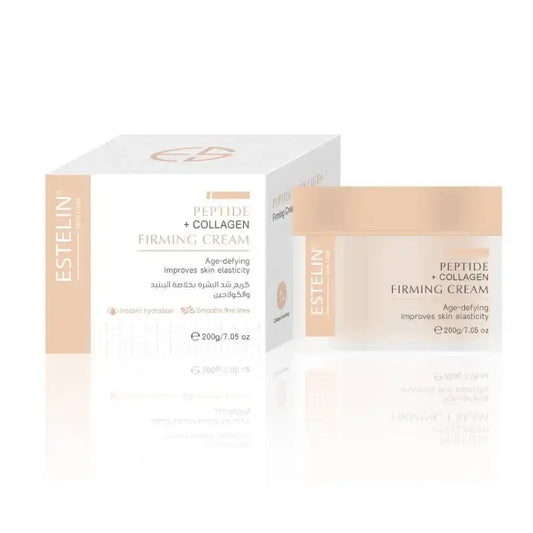
Estelin - Cream 200g
Regular price Rs.1,529.00Regular priceUnit price perRs.1,529.00Sale price Rs.1,529.00 -
Vince - Collagen Cream
Regular price Rs.1,760.00Regular priceUnit price perRs.1,760.00Sale price Rs.1,760.00 -
Klean Beauty Hydrating Moisturizer Tube (15Ml)
Regular price Rs.764.15Regular priceUnit price perRs.899.00Sale price Rs.764.15Sale -
Truly Komal - Hyaluronic Acid Cream
Regular price Rs.1,900.00Regular priceUnit price perRs.1,900.00Sale price Rs.1,900.00 -
Skin1004 Madagascar Centella Cream - 30ml
Regular price Rs.1,699.00Regular priceUnit price perRs.3,619.00Sale price Rs.1,699.00Sale -
Dr Rashel Vitamin C Ultra Smoothing Neck Cream, 120G
Regular price Rs.2,119.00Regular priceUnit price perRs.2,119.00Sale price Rs.2,119.00 -
Dr Rashel Collagen Lifting & Firming Neck Cream 120G
Regular price Rs.2,119.00Regular priceUnit price perRs.2,119.00Sale price Rs.2,119.00 -
Dr Rashel 5D Hyaluronic Acid Revitalizing Neck Cream 120G
Regular price Rs.2,119.00Regular priceUnit price perRs.2,119.00Sale price Rs.2,119.00 -
Dr Rashel Collagen Moisturizer Cream 160ml
Regular price Rs.1,469.00Regular priceUnit price perRs.1,469.00Sale price Rs.1,469.00 -
Dr.Rashel Skin Care Ha & Vb5 Gel 220G
Regular price Rs.1,239.00Regular priceUnit price perRs.1,239.00Sale price Rs.1,239.00 -
Klean Beauty Hydrating Moisturizer Tube (100Ml)
Regular price Rs.1,869.15Regular priceUnit price perRs.2,199.00Sale price Rs.1,869.15Sale -
Klean Beauty Hydrating Moisturizer Tube (50Ml)
Regular price Rs.1,444.15Regular priceUnit price perRs.1,699.00Sale price Rs.1,444.15Sale -
POND's - Super Light Gel - 50ml
Regular price Rs.749.00Regular priceUnit price perRs.999.00Sale price Rs.749.00Sale -
Neophar - Luminate Intense Skin Brightening Cream
Regular price Rs.1,593.00Regular priceUnit price perRs.1,770.00Sale price Rs.1,593.00Sale -
Medicube - Triple Collagen Cream - 50ml
Regular price Rs.5,710.00Regular priceUnit price perRs.8,000.00Sale price Rs.5,710.00Sale -
L'Oreal Paris - Collagen Expert: Moisture Filler Cream 50ml For Instant Hydration for 24 Hours
Regular price Rs.2,160.00Regular priceUnit price perRs.2,700.00Sale price Rs.2,160.00Sale -
Vince - Perfect 30'S Cream
Regular price Rs.1,850.00Regular priceUnit price perRs.1,850.00Sale price Rs.1,850.00 -
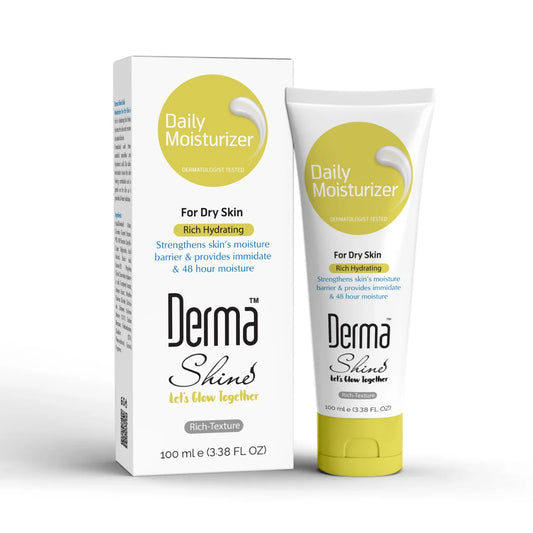
Derma Shine Daily Moisturizer Rich Hydrating 100 Ml
Regular price Rs.824.00Regular priceUnit price perRs.915.00Sale price Rs.824.00Sale -
Skinjoy - Core Barrier Moisturiser 50Ml
Regular price Rs.1,710.00Regular priceUnit price perRs.1,900.00Sale price Rs.1,710.00Sale -
Medicube - PDRN Pink Collagen Capsule Cream - 55g
Regular price Rs.5,869.00Regular priceUnit price perRs.9,179.00Sale price Rs.5,869.00Sale -
Dr. Althea - 147 Barrier Cream - 50ml
Regular price Rs.5,699.00Regular priceUnit price perRs.8,079.00Sale price Rs.5,699.00Sale -
Bioaqua Vitamin C White Brighten Face Cream 50G
Regular price Rs.929.00Regular priceUnit price perRs.929.00Sale price Rs.929.00 -
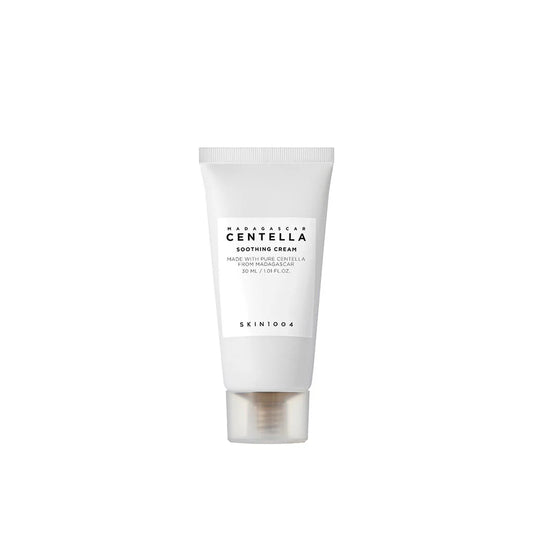
Skin1004 Madagascar Centella Soothing Cream - 30Ml
Regular price Rs.1,549.00Regular priceUnit price perRs.3,349.00Sale price Rs.1,549.00Sale






Hyaluronic Acid Moisturizer
Hyaluronic acid isn’t an acid in any way that matters to your skin. It doesn’t exfoliate, it doesn’t sting, and it won’t thin the barrier. It’s a humectant — a molecule that binds water and holds it in place, which your body already produces and steadily loses with age. A hyaluronic acid moisturizer puts it back on the surface, where it can hold water in the outer layers and make skin look fuller almost immediately.
How it works, and why molecular weight matters
Hyaluronic acid binds many times its own weight in water. But a large molecule can’t penetrate — it sits on the surface, forming a hydrating film. A smaller fragment travels further down but holds less. This is why good formulas use several molecular weights together rather than one, and why the ingredient list often shows both “hyaluronic acid” and “sodium hyaluronate”, which is the more stable, smaller-molecule form.
Multi-weight formulas hydrate at more than one depth. This is the single most useful thing to look for.
Surface-only formulas still work. They just do a different job — smoothing and plumping rather than deep hydration.
Concentration is less important than you’d think. Above about two per cent, hyaluronic acid can start to feel tacky without hydrating any better.
The mistake almost everyone makes
Applying it to dry skin in dry air. Hyaluronic acid pulls water from wherever it can find it, and if there’s none in the surrounding air, it will draw it from deeper in your skin instead. That leaves the surface tighter than before you started. This is a real problem in Pakistan through winter and in air-conditioned offices year round. Apply it to visibly damp skin, and put something over it — a light cream or an occlusive — to hold the water it’s collected.
Who benefits most
Dehydrated skin of any type. Oily, dry, combination, it doesn’t matter. Dehydration is a condition, not a type. If tightness and dullness are your main complaint, start with a broader hydration approach and use hyaluronic acid as the lead ingredient within it.
Skin showing fine dehydration lines. The kind that appear by afternoon and are gone the next morning respond fastest.
Sensitive skin. One of the very few actives that almost nobody reacts to. It’s a safe starting point for skin that struggles with most ingredients.
Skin under active treatment. Retinoids and acids both dehydrate. Hyaluronic acid buffers that without interfering with them.
Daytime use before sun exposure. Hydrated skin tolerates UV stress better. Pairing it with an SPF moisturizer covers both in one step.
What to expect
Plumpness within hours — this is the fastest-acting ingredient in most routines, which is also why it’s overhyped. What it won’t do is repair a damaged barrier, fade pigmentation or reduce oil production. It holds water. That’s the job, and it does it well, but it needs lipids working alongside it to keep that water in place over a full day.
Serum or moisturizer?
Hyaluronic acid appears in both, and the difference is what sits around it. A serum delivers a higher concentration with nothing to seal it, which means it always needs a moisturizer on top. A hyaluronic acid moisturizer carries a lower concentration alongside emollients and a light occlusive, so it works on its own. If you’re building a minimal routine, the moisturizer version is the more practical choice. If your skin is very dehydrated, layering both gives you more.
Why shop hyaluronic acid moisturizers at Highfy
Highfy stocks multi-weight hyaluronic acid creams, gels and emulsions from Korean, Japanese and international brands, all sourced authentic, with full ingredient lists on each product page so you can check the molecular range before buying. Browse the complete moisturizer collection to compare hydration-led formulas against barrier and brightening options.


