


Skincare


Makeup


Haircare


-
Estelin - Ultra Light Hydrating Invisible Sunscreen Spf 50 Pa+++ 50G
Regular price Rs.1,239.00Regular priceUnit price perRs.1,239.00Sale price Rs.1,239.00 -
Estelin - All In One Multi Defense Tinted Sunscreen Spf 70 Pa+++ 50G
Regular price Rs.1,239.00Regular priceUnit price perRs.1,239.00Sale price Rs.1,239.00 -
Estelin - Ultra Light Hydrating Invisible Sunscreen SPF 80+ 100g
Regular price Rs.1,529.00Regular priceUnit price perRs.1,529.00Sale price Rs.1,529.00 -
Estelin - All In One Multi Defense Tinted Sunscreen Spf 100 Pa+++ 100G
Regular price Rs.1,529.00Regular priceUnit price perRs.1,529.00Sale price Rs.1,529.00 -
Bioaqua V7 Deep Hydration Spray 200Ml
Regular price Rs.1,289.00Regular priceUnit price perRs.1,289.00Sale price Rs.1,289.00 -
Jenpharm Spectra Block Max Tinted Super Sunblock Cream 40G
Regular price Rs.998.00Regular priceUnit price perRs.998.00Sale price Rs.998.00 -
Jenpharm Spectra Block Broad Spectrum Sun Block Cream 40G
Regular price Rs.998.00Regular priceUnit price perRs.998.00Sale price Rs.998.00 -
Estelin - Ultra Light Hydrating Invisible Sunscreen Spray Spf 50 Pa+++ 180G
Regular price Rs.2,239.00Regular priceUnit price perRs.2,239.00Sale price Rs.2,239.00 -
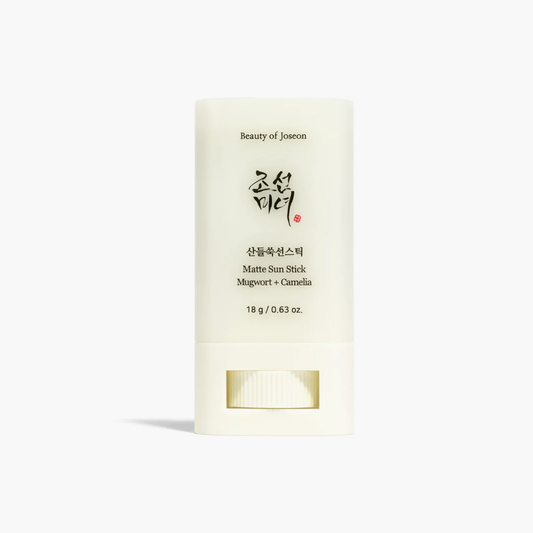
Beauty of Joseon Matte Sun Stick : Mugwort + Camelia (SPF50+ PA++++)
Regular price Rs.3,349.00Regular priceUnit price perRs.6,319.00Sale price Rs.3,349.00Sale -
Jenpharm Spectra Block Kids SPF50 PA++ 40g
Regular price Rs.998.00Regular priceUnit price perRs.998.00Sale price Rs.998.00 -
Organic Traveller - Barrier Hydrate Sunscreen
Regular price Rs.1,999.00Regular priceUnit price perRs.1,999.00Sale price Rs.1,999.00 -
Saeed Ghani - Sunblock SPF 60 with Vitamin C
Regular price Rs.459.00Regular priceUnit price perRs.540.00Sale price Rs.459.00Sale -
Klean Beauty - Melt In Hydrating Sunscreen SPF60 - 50Ml
Regular price Rs.1,699.15Regular priceUnit price perRs.1,999.00Sale price Rs.1,699.15Sale -
Nirvana Botanics - SunSlay Sunscreen Fluid SPF 50+++
Regular price Rs.1,598.00Regular priceUnit price perRs.1,775.00Sale price Rs.1,598.00Sale -
Rederm - Solero sunblock SPF 100
Regular price Rs.1,050.00Regular priceUnit price perRs.1,050.00Sale price Rs.1,050.00 -
Cosrx - Aloe Soothing Sun Cream Spf 50+ Pa+++ 50Ml
Regular price Rs.3,789.00Regular priceUnit price perRs.4,889.00Sale price Rs.3,789.00Sale -
Vince - Sun Block SPF 40 - 75Ml
Regular price Rs.840.00Regular priceUnit price perRs.840.00Sale price Rs.840.00 -
Estelin Ultra-Light & Anti-Wrinkle Sunscreen SPF90 PA+++
Regular price Rs.1,709.00Regular priceUnit price perRs.1,709.00Sale price Rs.1,709.00Sold out -
Garnier Bright Complete Vitamin C Super UV Matte Sunscreen SPF50+ - 30ML
Regular price Rs.1,783.00Regular priceUnit price perRs.2,229.00Sale price Rs.1,783.00Sale -
Neutrogena Ultra Sheer Dry-Touch Sunscreen Spf55 88Ml
Regular price Rs.5,000.00Regular priceUnit price perRs.7,000.00Sale price Rs.5,000.00Sold out -
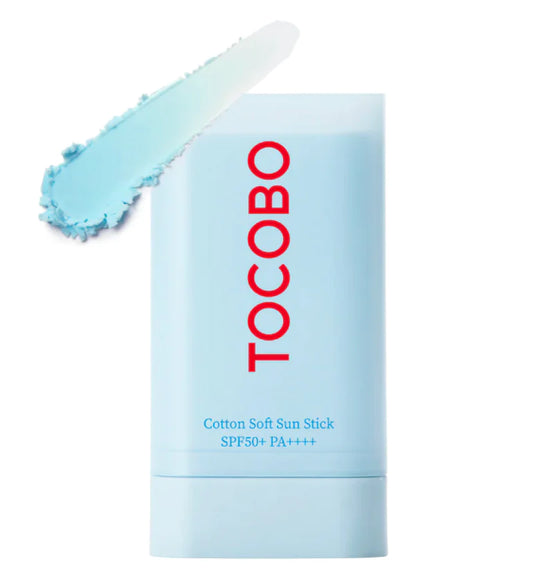
Tocobo Cotton Soft Sun Stick SPF50+ 19g
Regular price Rs.4,509.00Regular priceUnit price perRs.6,039.00Sale price Rs.4,509.00Sale -
Physiogel Red Smoothing Ai Sensitive Uv Sunscreen Spf 50 40Ml
Regular price Rs.3,183.00Regular priceUnit price perRs.3,350.00Sale price Rs.3,183.00Sold out -
Bioaqua Whitening Sunscreen Spf 50 40G
Regular price Rs.739.00Regular priceUnit price perRs.739.00Sale price Rs.739.00Sold out -
Nirvana Botanics - Light Mineral Sunscreen SPF 30+++
Regular price Rs.1,215.00Regular priceUnit price perRs.1,350.00Sale price Rs.1,215.00Sale -
Pond's - UV Miracle Bright Sunscreen SPF50++++ 50G
Regular price Rs.750.00Regular priceUnit price perRs.1,000.00Sale price Rs.750.00Sale -
Rivaj - Whitening & Vanishing SPF60 Sunblock - 100Ml
Regular price Rs.551.00Regular priceUnit price perRs.580.00Sale price Rs.551.00Sale -
Estelin Ultra-light & Moisturizing Sunscreen SPF 60 PA+++ 75G
Regular price Rs.1,409.00Regular priceUnit price perRs.1,409.00Sale price Rs.1,409.00 -
Rivaj - SPF90 Sunblock
Regular price From Rs.295.00Regular priceUnit price perRs.310.00Sale price From Rs.295.00Sale -
Organic Traveller - Glow SPF: Tinted Sunscreen
Regular price Rs.1,849.00Regular priceUnit price perRs.1,849.00Sale price Rs.1,849.00 -
Jenpharm - Spectra Block Aqua Fluid Sunscreen SPF60 PA++ 50Ml
Regular price Rs.1,498.00Regular priceUnit price perRs.1,498.00Sale price Rs.1,498.00 -
Pond's - UV Miracle Hydrate Sunscreen SPF50++++ 50G
Regular price Rs.750.00Regular priceUnit price perRs.1,000.00Sale price Rs.750.00Sale -
Glow & Lovely - Sunscreen - 25g
Regular price Rs.238.00Regular priceUnit price perRs.250.00Sale price Rs.238.00Sale






Medicated Sunscreen
Medicated sunscreen is not a regulated category anywhere in the world, which means the word on the box carries no guarantee at all. It is still a useful term, because in practice it describes a real class of formula. The trick is knowing which products genuinely belong in it and which have simply borrowed the word.
Where the term comes from
Three usages overlap.
Pharmacy-channel products. Sold through chemists rather than general stores, often alongside prescription skincare. This is the original meaning in most markets.
Dermatologist-recommended formulas. Products clinicians name specifically because they have seen them tolerated well by treated skin.
Concern-specific formulas. Built around a skin problem rather than general beach protection, usually with a supporting active.
None of these are the same as a medicine, and none of them treat a condition on their own.
What earns the description
Judge by the formula, not the packaging. A genuine treatment-grade sunscreen will usually show most of the following.
SPF 50 or higher with PA+++ or PA++++. Half-measures do not belong in this category.
No fragrance, dye or essential oils. Treated skin reacts, and these are the most common triggers.
A named supporting active at a meaningful position in the ingredient list. Niacinamide, panthenol, ceramides, zinc, centella, tranexamic acid or an antioxidant.
A simple, short ingredient list. Fewer variables, fewer reactions.
Photostable filters. Newer-generation filters or zinc oxide, which do not degrade meaningfully in sunlight.
What it will not do
It will not clear acne. It will not fade melasma by itself. It will not replace anything a dermatologist prescribed.
What it does is protect the work those treatments are doing. Pigmentation treatment without daily SPF is close to pointless, and acne treatment without it produces marks that outlast the acne. That is the entire value proposition, and it is a large one.
Matching the formula to the problem
Oily and acne-prone skin needs a gel or fluid base with niacinamide and nothing occlusive.
Dry and treated skin needs glycerin, ceramides and a cream base, because a mattifying formula on retinoid-dry skin will flake within hours.
Reactive or post-procedure skin needs mineral filters and the shortest possible ingredient list.
Pigmentation benefits from a tint, since iron oxides block visible light that plain SPF does not touch.
Spotting the ones that are only claiming it
Be cautious of anything promising instant results, using the word fairness, listing no actives while calling itself medicated, or sold without a clear ingredient list. Hydroquinone and mercury have both turned up in products marketed this way, and neither belongs in a sunscreen.
A legitimate formula tells you exactly what is in it and makes modest claims.
Using the term usefully
Treat the word as a starting filter rather than a guarantee. It is useful shorthand for a class of formula that tends to be higher SPF, fragrance-free and built around a concern, and it usefully narrows a shelf. But the ingredient list settles the question, not the packaging. Any product that calls itself medicated and will not tell you what is in it has answered your question already.
The most useful question to ask of any product in this category is simple: what is it protecting, and does the ingredient list reflect that? If the answer is not obvious from the packaging, it is usually not there.
The country-specific view is the medicated sunblock in Pakistan range, and the main hub for this group is best medicated sunblock in Pakistan with price. For gentle mineral options see physical sunscreen in Pakistan, or buy sunscreen in Pakistan across the full catalogue at Highfy.


