


Skincare


Makeup


Haircare


-
Body Luxuries - Honey Lotion
Regular price Rs.900.00Regular priceUnit price perRs.1,000.00Sale price Rs.900.00Sale -
Anua - PDRN 100 Hyaluronic Acid Glow Pad
Regular price Rs.9,449.00Regular priceUnit price perRs.10,499.00Sale price Rs.9,449.00Sale -
Estelin - Bouncy & Firm Collagen Night Cream 50g
Regular price Rs.1,709.00Regular priceUnit price perRs.1,709.00Sale price Rs.1,709.00 -
Medicube - Age-R Vita C Pro Ampoule 20 ml
Regular price Rs.6,189.00Regular priceUnit price perRs.8,789.00Sale price Rs.6,189.00Sale -
Skin1004 Zombie Beauty Bloody Peel Serum - 30ml
Regular price Rs.4,119.00Regular priceUnit price perRs.6,149.00Sale price Rs.4,119.00Sale -
Some By Mi AHA/BHA/PHA 30 Days Miracle Toner - 150Ml
Regular price Rs.7,019.00Regular priceUnit price perRs.9,559.00Sale price Rs.7,019.00Sale -
Dr Rashel Collagen Moisturizer Cream 160ml
Regular price Rs.1,469.00Regular priceUnit price perRs.1,469.00Sale price Rs.1,469.00 -
Palmer's - Original Solid Jar - 100G
Regular price Rs.1,485.00Regular priceUnit price perRs.1,650.00Sale price Rs.1,485.00Sale -
Palmer's - Anti-Dark Spot Night Fade Cream - 75G
Regular price Rs.2,160.00Regular priceUnit price perRs.2,400.00Sale price Rs.2,160.00Sale -
Elmore - Foot Care Cream - 100ML
Regular price Rs.860.00Regular priceUnit price perRs.860.00Sale price Rs.860.00 -
Skin1004 Centella Quick Calming Pad 70ea/130ml
Regular price Rs.7,999.00Regular priceUnit price perRs.12,089.00Sale price Rs.7,999.00Sale -
Dr.Rashel 3 in 1 Stretch Mark Remover Cream with Collagen Cocoa Butter & Jojoba Oil - 150gms
Regular price Rs.1,349.00Regular priceUnit price perRs.1,349.00Sale price Rs.1,349.00 -
VLCC - Red BearBerry & Passion Fruit Moisturiser
Regular price Rs.477.00Regular priceUnit price perRs.530.00Sale price Rs.477.00Sale -
Axis-Y - New Skin Resolution Gel Mask - 100ML
Regular price Rs.5,979.00Regular priceUnit price perRs.8,569.00Sale price Rs.5,979.00Sale -
Dr.Rashel Na & Cherry Blossom Gel 220G
Regular price Rs.1,239.00Regular priceUnit price perRs.1,239.00Sale price Rs.1,239.00 -
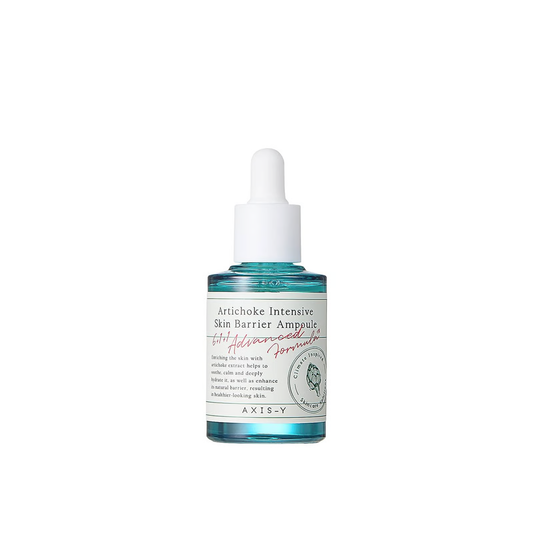
AXIS-Y Artichoke Intensive Skin Barrier Ampoule/30ml
Regular price Rs.5,289.00Regular priceUnit price perRs.7,309.00Sale price Rs.5,289.00Sale -
Kris - Hand & Body Lotion Fresh Hydration
Regular price From Rs.339.00Regular priceUnit price perRs.449.00Sale price From Rs.339.00Sale -
Palmer's - Cocoa Butter Daily Skin Therapy Body Lotion - 400Ml
Regular price Rs.2,178.00Regular priceUnit price perRs.2,420.00Sale price Rs.2,178.00Sale -
Haruharu - Black Rice Probiotic Barrier 2% NAD+ Serum Mist 80ml
Regular price Rs.4,949.00Regular priceUnit price perRs.6,589.00Sale price Rs.4,949.00Sale -
Tirtir - Mask Fit Red Cushion Mini - 25N Mocha
Regular price Rs.3,979.00Regular priceUnit price perRs.6,039.00Sale price Rs.3,979.00Sale -
Arencia - Could Sun Stick SPF 50+ PA+++ - 18g
Regular price Rs.4,249.00Regular priceUnit price perRs.5,489.00Sale price Rs.4,249.00Sale -
Cosrx - Peptide 132 Ultra Perfect Hair Bonding Treatment - 120Ml
Regular price Rs.5,449.00Regular priceUnit price perRs.8,019.00Sale price Rs.5,449.00Sold out -
Sadoer - The Rose Body Butter 200g
Regular price Rs.899.00Regular priceUnit price perRs.1,199.00Sale price Rs.899.00Sold out -
Chirs's Moisturizing Cream 150g
Regular price Rs.649.00Regular priceUnit price perRs.649.00Sale price Rs.649.00 -
Vince - Anti Acne Cream - 50Ml
Regular price Rs.1,095.00Regular priceUnit price perRs.1,095.00Sale price Rs.1,095.00 -
Some By Mi Galactomyces Pure Vitamin Glow Serum/30ml
Regular price Rs.6,499.00Regular priceUnit price perRs.9,669.00Sale price Rs.6,499.00Sale -
Medicube - PDRN Pink Collagen Glow Jelly Serum 30ml
Regular price Rs.4,999.00Regular priceUnit price perRs.6,039.00Sale price Rs.4,999.00Sale -
Dr.Althea Pore Refresh Grinding Cleansing Balm 50ml
Regular price Rs.6,089.00Regular priceUnit price perRs.8,079.00Sale price Rs.6,089.00Sale -
Anua - Peach 77% Niacin Enriched Cream 1.69fl.oz / 50ml
Regular price Rs.7,739.00Regular priceUnit price perRs.8,599.00Sale price Rs.7,739.00Sale -
Medicube – One-Day Exosome Shot Pore Ampoule 2000 – 30ml
Regular price Rs.6,449.00Regular priceUnit price perRs.9,119.00Sale price Rs.6,449.00Sale -
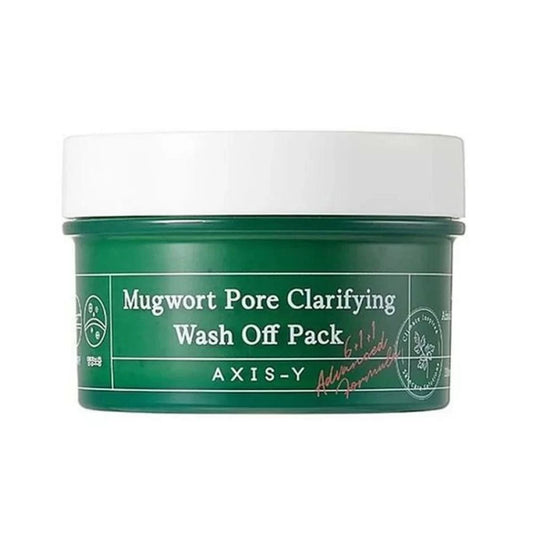
Axis Y - Mugwort Pore Clarifying Wash Off Pack 100ml
Regular price Rs.5,769.00Regular priceUnit price perRs.8,189.00Sale price Rs.5,769.00Sale -
Anua Heartleaf Silky Moisture Sun Cream 50ml
Regular price Rs.5,759.00Regular priceUnit price perRs.6,399.00Sale price Rs.5,759.00Sale





Best Organic Face Moisturizer
Organic is an agricultural term. It describes how an ingredient was farmed, not how well it works on skin or how gentle it is. That’s worth stating up front, because the category carries an assumption — natural means safe, synthetic means harsh — that doesn’t hold up. Some of the most reliable irritants in skincare are entirely natural, and some of the gentlest ingredients are made in a lab. The best organic face moisturizer is the one with a well-built formula, and the certification is a separate question.
What the labels actually mean
Certified organic: A recognised body — Ecocert, COSMOS, USDA, Soil Association — has verified the farming and a minimum proportion of organic content. This is meaningful.
Made with organic ingredients: Usually a small percentage. Check what’s certified and what isn’t.
Natural: Unregulated. It means whatever the brand wants it to mean.
Clean: Marketing. It has no agreed definition and generally describes what’s been excluded rather than what’s been included.
Chemical-free: Not possible. Water is a chemical.
Good reasons to choose organic
You react to synthetic fragrance or specific preservatives. A legitimate reason, and organic ranges often avoid both.
You prefer to support organic agriculture. Entirely reasonable as an ethical position.
You want shorter ingredient lists. Many organic formulas are simpler, which makes troubleshooting a reaction far easier.
Your skin does well on plant oils and butters. Shea, jojoba, squalane and rosehip work genuinely well on dry skin.
What to watch for
Essential oils. The main issue in this category. Lavender, citrus, peppermint and ylang-ylang are common in organic formulas and are among the more reliable causes of contact dermatitis. If your skin is reactive, avoid them as carefully as you’d avoid synthetic fragrance.
Weak preservation. Preservatives exist because water-based products grow bacteria. An under-preserved natural cream in a warm bathroom is a real risk, particularly in the heat across most of Pakistan, where bathroom temperatures stay high for months.
Heavy plant oils on acne-prone skin. Coconut oil in particular is comedogenic for most people.
Fewer proven actives. Retinoids and stable vitamin C are hard to formulate within organic certification. If ageing is your main concern, conventional formulas have stronger evidence behind them.
How to choose one that works
Look for a named certification rather than a leaf on the packaging. Check the preservative system exists. Read for essential oils before you read for the hero botanical. Favour tubes and pumps over jars, since natural formulas oxidise faster. And judge the formula on its humectant and lipid content, the same way you’d judge any other moisturizer.
Where it fits seasonally
Plant-oil-rich organic creams suit dry skin and cooler months better than heat and humidity. Through summer, a lighter formula will serve you better regardless of how it was farmed. And if simplicity and gentleness are what you’re actually after rather than organic certification specifically, Korean formulas tend to deliver both with better texture.
Storage and shelf life
Organic and naturally formulated products have shorter shelf lives, and the heat here shortens them further. Once opened, most should be used within six months rather than twelve. Plant oils go rancid — if a cream develops a sharp or crayon-like smell, it’s oxidised and should be thrown out regardless of the printed date. Keep them out of the bathroom, buy smaller sizes, and don’t stockpile on a discount.
Why shop at Highfy
Highfy stocks certified organic and naturally formulated moisturizers alongside conventional options, all sourced authentic, with complete ingredient lists on every product page so you can check certifications and essential oil content before buying. Browse the full moisturizer collection.


