


Skincare


Makeup


Haircare


-
Estelin - Ultra Light Hydrating Invisible Sunscreen Spf 50 Pa+++ 50G
Regular price Rs.1,239.00Regular priceUnit price perRs.1,239.00Sale price Rs.1,239.00 -
Estelin - All In One Multi Defense Tinted Sunscreen Spf 70 Pa+++ 50G
Regular price Rs.1,239.00Regular priceUnit price perRs.1,239.00Sale price Rs.1,239.00 -
Estelin - Ultra Light Hydrating Invisible Sunscreen SPF 80+ 100g
Regular price Rs.1,529.00Regular priceUnit price perRs.1,529.00Sale price Rs.1,529.00 -
Estelin - All In One Multi Defense Tinted Sunscreen Spf 100 Pa+++ 100G
Regular price Rs.1,529.00Regular priceUnit price perRs.1,529.00Sale price Rs.1,529.00 -
Bioaqua V7 Deep Hydration Spray 200Ml
Regular price Rs.1,289.00Regular priceUnit price perRs.1,289.00Sale price Rs.1,289.00 -
Jenpharm Spectra Block Max Tinted Super Sunblock Cream 40G
Regular price Rs.998.00Regular priceUnit price perRs.998.00Sale price Rs.998.00 -
Neophar - Neobrella Sunblock Cream SPF60 PA+++
Regular price Rs.837.00Regular priceUnit price perRs.930.00Sale price Rs.837.00Sale -
Jenpharm Spectra Block Broad Spectrum Sun Block Cream 40G
Regular price Rs.998.00Regular priceUnit price perRs.998.00Sale price Rs.998.00 -
Estelin - Ultra Light Hydrating Invisible Sunscreen Spray Spf 50 Pa+++ 180G
Regular price Rs.2,239.00Regular priceUnit price perRs.2,239.00Sale price Rs.2,239.00 -
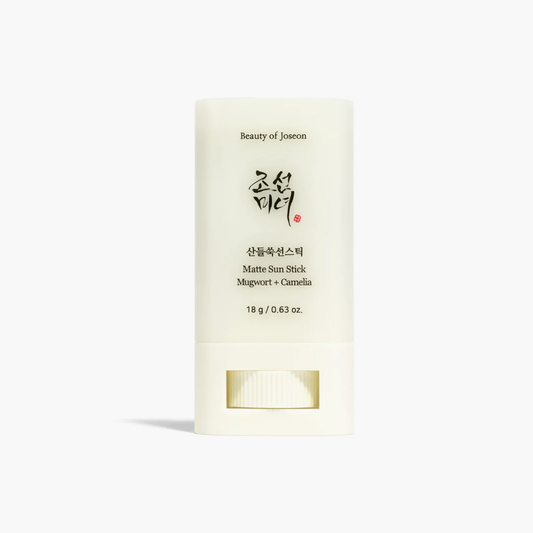
Beauty of Joseon Matte Sun Stick : Mugwort + Camelia (SPF50+ PA++++)
Regular price Rs.3,349.00Regular priceUnit price perRs.6,319.00Sale price Rs.3,349.00Sale -
Jenpharm Spectra Block Kids SPF50 PA++ 40g
Regular price Rs.998.00Regular priceUnit price perRs.998.00Sale price Rs.998.00 -
Organic Traveller - Barrier Hydrate Sunscreen
Regular price Rs.1,999.00Regular priceUnit price perRs.1,999.00Sale price Rs.1,999.00 -
Jenpharm Spectra Matt Sebum Control Sunblock Spf40 30G
Regular price Rs.1,998.00Regular priceUnit price perRs.1,998.00Sale price Rs.1,998.00 -
Saeed Ghani - Sunblock SPF 60 with Vitamin C
Regular price Rs.459.00Regular priceUnit price perRs.540.00Sale price Rs.459.00Sale -
Klean Beauty - Melt In Hydrating Sunscreen SPF60 - 50Ml
Regular price Rs.1,699.15Regular priceUnit price perRs.1,999.00Sale price Rs.1,699.15Sale -
Nirvana Botanics - SunSlay Sunscreen Fluid SPF 50+++
Regular price Rs.1,598.00Regular priceUnit price perRs.1,775.00Sale price Rs.1,598.00Sale -
Rederm - Solero sunblock SPF 100
Regular price Rs.1,050.00Regular priceUnit price perRs.1,050.00Sale price Rs.1,050.00 -
Cosrx - Aloe Soothing Sun Cream Spf 50+ Pa+++ 50Ml
Regular price Rs.3,789.00Regular priceUnit price perRs.4,889.00Sale price Rs.3,789.00Sale -
Vince - Sun Block SPF 40 - 75Ml
Regular price Rs.840.00Regular priceUnit price perRs.840.00Sale price Rs.840.00 -
Estelin Ultra-Light & Anti-Wrinkle Sunscreen SPF90 PA+++
Regular price Rs.1,709.00Regular priceUnit price perRs.1,709.00Sale price Rs.1,709.00Sold out -
Garnier Bright Complete Vitamin C Super UV Matte Sunscreen SPF50+ - 30ML
Regular price Rs.1,783.00Regular priceUnit price perRs.2,229.00Sale price Rs.1,783.00Sale -
Neutrogena Ultra Sheer Dry-Touch Sunscreen Spf55 88Ml
Regular price Rs.5,000.00Regular priceUnit price perRs.7,000.00Sale price Rs.5,000.00Sold out -
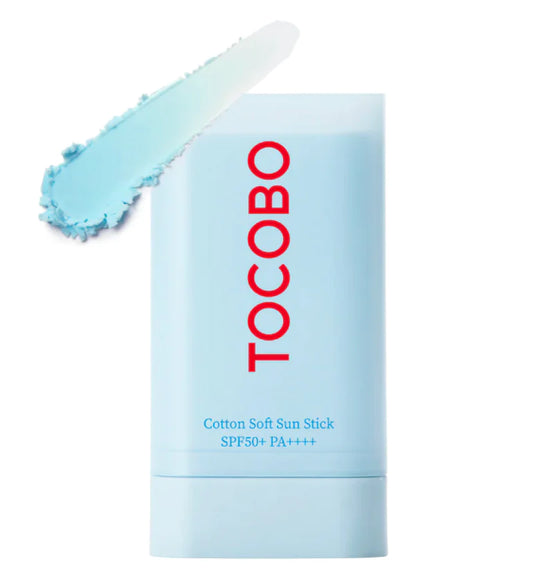
Tocobo Cotton Soft Sun Stick SPF50+ 19g
Regular price Rs.4,509.00Regular priceUnit price perRs.6,039.00Sale price Rs.4,509.00Sale -
Physiogel Red Smoothing Ai Sensitive Uv Sunscreen Spf 50 40Ml
Regular price Rs.3,183.00Regular priceUnit price perRs.3,350.00Sale price Rs.3,183.00Sold out -
Bioaqua Whitening Sunscreen Spf 50 40G
Regular price Rs.739.00Regular priceUnit price perRs.739.00Sale price Rs.739.00Sold out -
Nirvana Botanics - Light Mineral Sunscreen SPF 30+++
Regular price Rs.1,215.00Regular priceUnit price perRs.1,350.00Sale price Rs.1,215.00Sale -
Pond's - UV Miracle Bright Sunscreen SPF50++++ 50G
Regular price Rs.750.00Regular priceUnit price perRs.1,000.00Sale price Rs.750.00Sale -
Rivaj - Whitening & Vanishing SPF60 Sunblock - 100Ml
Regular price Rs.551.00Regular priceUnit price perRs.580.00Sale price Rs.551.00Sale -
Estelin Ultra-light & Moisturizing Sunscreen SPF 60 PA+++ 75G
Regular price Rs.1,409.00Regular priceUnit price perRs.1,409.00Sale price Rs.1,409.00 -
Rivaj - SPF90 Sunblock
Regular price From Rs.295.00Regular priceUnit price perRs.310.00Sale price From Rs.295.00Sale -
Organic Traveller - Glow SPF: Tinted Sunscreen
Regular price Rs.1,849.00Regular priceUnit price perRs.1,849.00Sale price Rs.1,849.00 -
Jenpharm - Spectra Block Aqua Fluid Sunscreen SPF60 PA++ 50Ml
Regular price Rs.1,498.00Regular priceUnit price perRs.1,498.00Sale price Rs.1,498.00






Best Sunscreen for Acne Prone Skin in Pakistan
Acne-prone skin has a difficult relationship with sunscreen, and most of it comes down to one bad experience. Someone starts a treatment, the dermatologist says wear SPF, they buy whatever’s on the shelf, and two weeks later there are closed comedones along the jaw. The conclusion — sunscreen causes breakouts — is wrong, but understandable. The right formula changes the outcome completely.
Why acne-prone skin needs SPF more than most
Treatment makes skin photosensitive. Adapalene, tretinoin, benzoyl peroxide, azelaic acid, salicylic acid and oral isotretinoin all increase how easily skin burns. Sun exposure during treatment causes irritation that looks like the acne getting worse.
Post-inflammatory marks are driven by UV. The brown marks left behind after a spot heals — the part that actually bothers most people — darken and persist with sun exposure. Daily sunscreen is the most effective thing you can do about them.
The “sun clears acne” idea is a trap. Sun does dry out spots briefly. It also thickens the outer layer of skin, which blocks pores, and the rebound a few weeks later is usually worse than the starting point.
What to look for on the label
Non-comedogenic, and ideally a formula tested as such.
A light base — water-gel, fluid or milky emulsion. Thick creams and rich balms are where trouble starts.
Fragrance-free. Irritation and acne travel together.
No heavy emollients near the top of the list. Coconut oil, isopropyl myristate, cocoa butter and some silicone-oil blends are common offenders.
Supportive actives, optionally. Niacinamide, zinc and centella help without adding load.
Most of the formulas that meet this brief are gels or fluids, and since acne-prone skin is usually oily too, the best sunblock for oily skin range overlaps heavily with this collection.
Fungal acne, and why it matters here
A large share of what people call acne across Pakistan — small uniform bumps on the forehead, chest and back, worse in summer, itchy rather than painful — is malassezia folliculitis, not acne vulgaris. It’s driven by yeast, and heat and humidity feed it.
If that describes your skin, the usual acne advice will not help and standard acne treatments often make no difference at all. Look for formulas without esters, polysorbates or fatty alcohols high in the ingredient list. Mineral and simple gel sunscreens are usually the safest bets, and a dermatologist can confirm it in a single visit rather than months of guessing.
Using it alongside treatment
Sunscreen goes on in the morning, as the final step, over moisturiser. Prescription actives go on at night. Don’t layer a retinoid under sunscreen in the daytime.
Apply the full amount — about a quarter teaspoon for the face. Acne-prone skin is the group most likely to under-apply out of caution, and under-applying is what leaves the marks that then take months to fade.
Reapply every three to four hours outdoors. If your skin is oily as well as acne-prone, blot first, then apply, and consider a stick or powder SPF for midday top-ups.
Skin that shifts across the face
Breakouts often sit in the T-zone while the cheeks stay normal or dry. In that case a sunscreen for combination skin formula usually performs better than a heavily mattifying acne-specific one.
Through the hottest months, sweat and sebum break sunscreen down faster. A best sunblock for summer in Pakistan option holds up better in those conditions.
Everything here is non-comedogenic and lightweight. For the full catalogue across all skin types, you can buy sunscreen in Pakistan at Highfy.


