


Skincare


Makeup


Haircare


-
Estelin - Ultra Light Hydrating Invisible Sunscreen Spf 50 Pa+++ 50G
Regular price Rs.1,239.00Regular priceUnit price perRs.1,239.00Sale price Rs.1,239.00 -
Estelin - All In One Multi Defense Tinted Sunscreen Spf 70 Pa+++ 50G
Regular price Rs.1,239.00Regular priceUnit price perRs.1,239.00Sale price Rs.1,239.00 -
Estelin - Ultra Light Hydrating Invisible Sunscreen SPF 80+ 100g
Regular price Rs.1,529.00Regular priceUnit price perRs.1,529.00Sale price Rs.1,529.00 -
Estelin - All In One Multi Defense Tinted Sunscreen Spf 100 Pa+++ 100G
Regular price Rs.1,529.00Regular priceUnit price perRs.1,529.00Sale price Rs.1,529.00 -
Bioaqua V7 Deep Hydration Spray 200Ml
Regular price Rs.1,289.00Regular priceUnit price perRs.1,289.00Sale price Rs.1,289.00 -
Jenpharm Spectra Block Max Tinted Super Sunblock Cream 40G
Regular price Rs.998.00Regular priceUnit price perRs.998.00Sale price Rs.998.00 -
Jenpharm Spectra Block Broad Spectrum Sun Block Cream 40G
Regular price Rs.998.00Regular priceUnit price perRs.998.00Sale price Rs.998.00 -
Estelin - Ultra Light Hydrating Invisible Sunscreen Spray Spf 50 Pa+++ 180G
Regular price Rs.2,239.00Regular priceUnit price perRs.2,239.00Sale price Rs.2,239.00 -
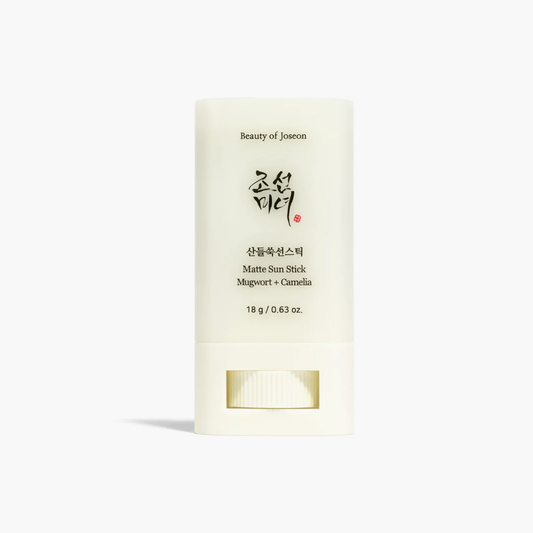
Beauty of Joseon Matte Sun Stick : Mugwort + Camelia (SPF50+ PA++++)
Regular price Rs.3,349.00Regular priceUnit price perRs.6,319.00Sale price Rs.3,349.00Sale -
Jenpharm Spectra Block Kids SPF50 PA++ 40g
Regular price Rs.998.00Regular priceUnit price perRs.998.00Sale price Rs.998.00 -
Organic Traveller - Barrier Hydrate Sunscreen
Regular price Rs.1,999.00Regular priceUnit price perRs.1,999.00Sale price Rs.1,999.00 -
Saeed Ghani - Sunblock SPF 60 with Vitamin C
Regular price Rs.459.00Regular priceUnit price perRs.540.00Sale price Rs.459.00Sale -
Klean Beauty - Melt In Hydrating Sunscreen SPF60 - 50Ml
Regular price Rs.1,699.15Regular priceUnit price perRs.1,999.00Sale price Rs.1,699.15Sale -
Nirvana Botanics - SunSlay Sunscreen Fluid SPF 50+++
Regular price Rs.1,598.00Regular priceUnit price perRs.1,775.00Sale price Rs.1,598.00Sale -
Rederm - Solero sunblock SPF 100
Regular price Rs.1,050.00Regular priceUnit price perRs.1,050.00Sale price Rs.1,050.00 -
Cosrx - Aloe Soothing Sun Cream Spf 50+ Pa+++ 50Ml
Regular price Rs.3,789.00Regular priceUnit price perRs.4,889.00Sale price Rs.3,789.00Sale -
Vince - Sun Block SPF 40 - 75Ml
Regular price Rs.840.00Regular priceUnit price perRs.840.00Sale price Rs.840.00 -
Estelin Ultra-Light & Anti-Wrinkle Sunscreen SPF90 PA+++
Regular price Rs.1,709.00Regular priceUnit price perRs.1,709.00Sale price Rs.1,709.00Sold out -
Garnier Bright Complete Vitamin C Super UV Matte Sunscreen SPF50+ - 30ML
Regular price Rs.1,783.00Regular priceUnit price perRs.2,229.00Sale price Rs.1,783.00Sale -
Neutrogena Ultra Sheer Dry-Touch Sunscreen Spf55 88Ml
Regular price Rs.5,000.00Regular priceUnit price perRs.7,000.00Sale price Rs.5,000.00Sold out -
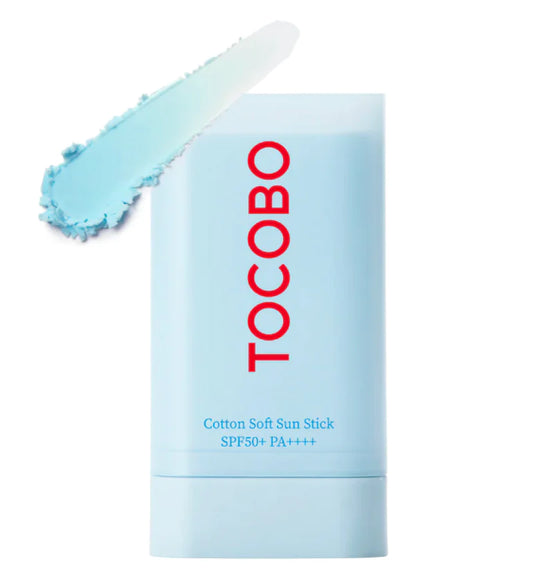
Tocobo Cotton Soft Sun Stick SPF50+ 19g
Regular price Rs.4,509.00Regular priceUnit price perRs.6,039.00Sale price Rs.4,509.00Sale -
Physiogel Red Smoothing Ai Sensitive Uv Sunscreen Spf 50 40Ml
Regular price Rs.3,183.00Regular priceUnit price perRs.3,350.00Sale price Rs.3,183.00Sold out -
Bioaqua Whitening Sunscreen Spf 50 40G
Regular price Rs.739.00Regular priceUnit price perRs.739.00Sale price Rs.739.00Sold out -
Nirvana Botanics - Light Mineral Sunscreen SPF 30+++
Regular price Rs.1,215.00Regular priceUnit price perRs.1,350.00Sale price Rs.1,215.00Sale -
Pond's - UV Miracle Bright Sunscreen SPF50++++ 50G
Regular price Rs.750.00Regular priceUnit price perRs.1,000.00Sale price Rs.750.00Sale -
Rivaj - Whitening & Vanishing SPF60 Sunblock - 100Ml
Regular price Rs.551.00Regular priceUnit price perRs.580.00Sale price Rs.551.00Sale -
Estelin Ultra-light & Moisturizing Sunscreen SPF 60 PA+++ 75G
Regular price Rs.1,409.00Regular priceUnit price perRs.1,409.00Sale price Rs.1,409.00 -
Rivaj - SPF90 Sunblock
Regular price From Rs.295.00Regular priceUnit price perRs.310.00Sale price From Rs.295.00Sale -
Organic Traveller - Glow SPF: Tinted Sunscreen
Regular price Rs.1,849.00Regular priceUnit price perRs.1,849.00Sale price Rs.1,849.00 -
Jenpharm - Spectra Block Aqua Fluid Sunscreen SPF60 PA++ 50Ml
Regular price Rs.1,498.00Regular priceUnit price perRs.1,498.00Sale price Rs.1,498.00 -
Pond's - UV Miracle Hydrate Sunscreen SPF50++++ 50G
Regular price Rs.750.00Regular priceUnit price perRs.1,000.00Sale price Rs.750.00Sale -
Glow & Lovely - Sunscreen - 25g
Regular price Rs.238.00Regular priceUnit price perRs.250.00Sale price Rs.238.00Sale






Best Sunscreen for Combination Skin in Pakistan
Combination skin is the most common type in this climate and the worst served by product marketing, because almost everything is positioned for one extreme or the other. What makes it harder here is that combination skin changes across the year more than any other type, so the product that suited you in December is often wrong by May.
What combination skin looks like here
An oily T-zone across the forehead, nose and chin, with cheeks that are normal, comfortable or slightly dry. Larger pores through the centre of the face. Makeup that separates in the middle and stays put at the edges.
Through summer it behaves almost like oily skin. Through a dry northern winter it behaves almost like dry skin. Both are normal and both need a different formula.
The seasonal split
April to September. Heat and, on the coast and through the monsoon, humidity. Sebum output rises and the whole face behaves oilier. A light gel or fluid with a satin finish is right. The best sunblock for oily skin range is worth browsing in these months.
November to February. Dry air, especially in Lahore, Islamabad and further north. The cheeks lose ground first and start flaking while the T-zone stays active. A light cream or milky fluid with glycerin is right.
Transition months. March and October. Use whichever is closer to how your skin is behaving that week rather than following the calendar.
Why over-correcting backfires
The instinct with combination skin is to treat the oily part aggressively. Mattifying formulas loaded with silica, starch and alcohol strip the cheeks, the barrier weakens, and the skin compensates by producing more oil.
That cycle is why people conclude their combination skin is getting worse with age. Usually the routine caused it.
What to look for
A satin or natural finish, not full matte.
Lightweight hydration. Glycerin, panthenol and hyaluronic acid hold water without adding oil.
Minimal heavy occlusives. Shea and mineral oil high in the list will congest the T-zone.
Moderate or no alcohol.
SPF 50 with PA+++ or PA++++, as always.
Applying it by zone
Use the full quarter teaspoon, but distribute it unevenly. Thinner across the forehead and nose, more across the cheeks and jaw.
If shine appears mid-day, blot the T-zone with tissue and press a little more product over the top rather than reapplying everywhere.
Running two formulas — a gel through the centre and a fluid on the cheeks — takes ten extra seconds and solves the problem completely for people who are willing.
Keeping it manageable
None of this needs to be complicated. One lighter formula, one richer formula, and the willingness to switch when your skin tells you to. That is the entire system, and it outperforms any single product marketed as balancing. Keep both tubes rather than finishing one before opening the other, since the transition weeks in March and October rarely follow the calendar and you will want the option available.
One warning specific to this climate. Air conditioning through summer dries skin as much as winter air does, so if you spend most of the day indoors your cheeks may need a richer formula even in July. Judge by how your skin behaves rather than by what the weather is doing outside.
Most people settle into a stable pattern within a year of paying attention to it, after which the choosing becomes almost automatic.
The combination hub is the best sunscreen for combination skin collection, with the zone-based method at sunblock for combination skin. Or buy sunscreen in Pakistan across everything at Highfy.


